


PodcastsJan 12, 2026
The latest poscasttest





test


Susan Abeles of Bonhams gives insight into this era of jewelry design, created as a display of wealth during the early 20th century.
New York--The early 1900s were a time of peace and prosperity in the United States and, for many, also a time of wealth, as small businesses grew and factory output flourished.
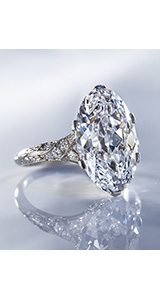
Susan Abeles is the director of U.S. jewelry at the auction house Bonhams in New York. She recently took the time to speak with National Jeweler about Belle Époque jewelry, its history and how much it is worth today.
What is Belle Époque jewelry? Belle Époque jewelry was created during the first 15 years of the 20th century, and was inspired by motifs popular during the rule of Louis XIV--bows, swags (wreaths or garlands of fabric) and wreaths were favored.
This jewelry was fashioned with pale-colored gemstones, like pearls and diamonds, into lavish necklaces, stomachers (the triangle-shaped panel used to fill the front of a woman’s dress), tiaras and earrings.
Platinum replaced heavier silver mountings, allowing gemstones to appear in delicate-yet-strong mountings that provided optimum light, airiness and natural beauty. “It was a time of elegance and opulence,” Abeles said.
Why was Belle Époque jewelry created? What was it used for? Belle Époque is French for “Beautiful Era,” because it was a peaceful and prosperous time. Progress in technology and advances from the industrial revolution brought wealth to all classes.
“Belle Époque jewelry was used to display this new wealth,” Abeles said. “Ladies dressed for evening in beautiful lightweight material of chiffon or satin, which were adorned with elaborate lace and beadwork. These diaphanous, high-waisted, less-fitted gowns with low necklines, short sleeves and long-gloved arms provided the perfect stage to showcase the jewels of this era.”
Long hair also was worn up and ornamented with jewels and feathers, while ladies’ necklines would typically display a natural pearl choker complemented by a sautoir or multiple strands of pearls.
When was it popular? “Belle Époque jewelry was popular from approximately 1900 to 1915.
“Today, jewels of this era remain collectible as they are rare and limited in number,” Abeles said. “Moreover, the value, rarity and appreciation for natural pearls continues to grow, creating

What other materials were used in Belle Époque jewelry? Aside from natural pearls and diamonds, fancy colored diamonds in yellow, pink and blue while aquamarine, topaz, demantoid garnet and rubies served as accent gemstones.
How much are Belle Époque pieces worth? The value of a piece is dependent on many factors, including material, design, significance, provenance, signature, market and wearability, Abeles said, noting that prices can range from $20,000 and up, sometimes reaching more than $5 million.
How can a retailer add Belle Époque pieces to their jewelry offerings? “Of course, purchase them at auction,” Abeles said, jokingly.
Really, though, interested jewelers might want to look there first.
“Belle Époque is a very limited quantity of jewels that really have survived, and survived in their natural state,” she said. “The pieces are rare, and high-quality fine piece of any era remain collectible.
“Jewelers do recreate pieces in this style, and that’s remained popular, but for a retailer they either need to own or purchase Belle Époque jewelry from an estate, at auction or from a client. That’s the main way it becomes available.”


A monthly podcast series for jewelry professionals




From protecting customer data to safeguarding inventory records, it's crucial to learn how to tackle cybersecurity challenges.


Test Podcast With Video. New interview with Ada Lovelace.



Abstract for tests. New Podcast interview with John Lennon, Jimi Hendrix and Jim Morison.

Ahead of the holiday season, Smith delves into the often subconscious reasons people buy luxury products for themselves or their loved ones.

The GMT-Master “Pepsi” belonging to astronaut Edgar Mitchell is a standout in RR Auction’s online “Space Auction,” going on now.

The ads celebrate the mall culture of the ‘80s and ‘90s.

Retail sales associates can access the video series on mobile to refresh their selling skills.

For 25 years, India’s Gem & Jewellery National Relief Foundation has provided aid in the wake of war, natural disasters, and global crises.

The November auction will feature a collection of jewels owned by Ferdinand I, the first king of modern Bulgaria, and his family.

Commercial production has begun underground at the Canadian diamond mine’s A21 pipe.

Deloitte and Adobe Analytics shared their insights on the season, from the retail sales forecast to the role of generative AI.

The Texas-based jeweler collaborated with luxury clothing brand Uncommon Man on men’s bands designed with European influences.

Industry players have found ways to cope with market conditions while working to reshape themselves in the face of emerging realities.

The sales event, in its second year, features a selection of rare diamonds from the miner’s Argyle and Diavik diamond mines.

A portion of the proceeds from the “Always Dream” collection will go to Yamaguchi's foundation, supporting early childhood literacy.

The first in what is slated to be a series of in-depth reports from the consulting company, it focuses on shortening supply chains.





This site uses cookies to give you the best online experience. By continuing to use & browse this site, we assume you agree to our Privacy Policy