


PodcastsJan 12, 2026
The latest poscasttest





test


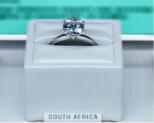
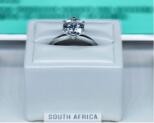
The pear-shaped stone has been in the same family for more than 300 years, passing through some of Europe’s most important houses.

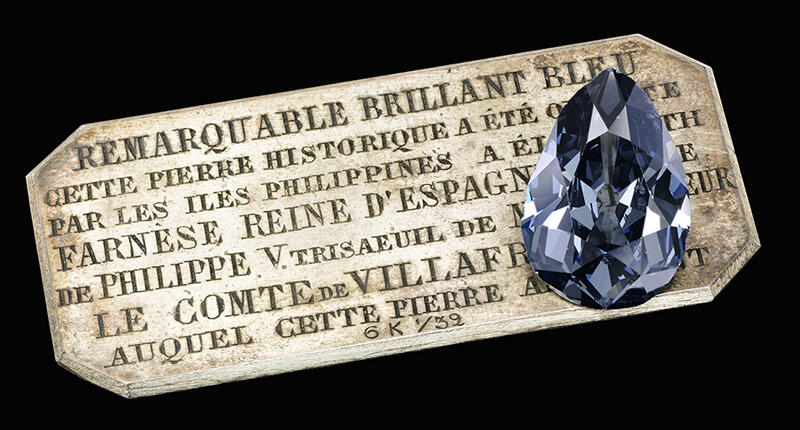
Geneva--A historic blue diamond that’s been in the same family for more than three centuries will hit the market for the first time this spring.
“The Farnese Blue,” a 6.16-carat pear shaped fancy dark gray-blue diamond, will be offered at the Magnificent Jewels and Noble Jewels sale at Sotheby’s Geneva on May 15, where it is expected to sell for between $3.7 million and $5.3 million.
It was uncovered in the Golconda mines of India, which also produced the famous Hope and Wittelsbach diamonds.
The stone was given to Elisabeth Farnese, Queen of Spain (1692-1766) and descendant of Pope Paul III, following her wedding to King Philip V of Spain, grandson of Louis XIV, King of France.
The wedding was celebrated in Parma, Italy in 1714, after the War of the Spanish Succession, which had depleted the country’s finances. To be able to offer a suitable dowry for the new queen, the Spanish government sent word to its colonies, demanding they send wedding presents to Madrid.
Then, in August 1715, the Golden Fleet sailed from Cuba: 12 ships carrying a fortune in gold bullion and emeralds. But after only 10 days of sailing, a hurricane destroyed most of the fleet in the gulf of Florida. Only one ship survived.
The emeralds were thought to be lost in one of the sunken ships, but one diamond made its way to Spain: a pear-shaped blue diamond, gifted to the new Spanish queen by the governor of the Philippine Islands.
For the next 300 hundred years, as Elisabeth and Philip of Spain’s descendants married, the stone was passed down through four of the most important royal families in Europe: Spain, France, Italy and Austria.
Elisabeth Farnese passed it to her favorite son, Philip (1720-1765), Duke of Parma and founder of the House of Bourbon-Parma. When he died, his son Ferdinand inherited the jewel, which then passed to his son, Louis I, made King of Etruria, during Napoleon’s invasion of Italy, followed by his grandson, Charles II, who become Duke of Lucca, following the Congress of Vienna in 1815.
Charles II had a tie-pin setting created for the stone. He abdicated in 1849 and the title of Duke of Parma passed to his son, Charles III, who was assassinated just five years later. The Farnese Blue then was inherited by Charles II’s grandson, Robert I (1848-1907), the last ruling Duke of Parma.





A monthly podcast series for jewelry professionals


From protecting customer data to safeguarding inventory records, it's crucial to learn how to tackle cybersecurity challenges.


Test Podcast With Video. New interview with Ada Lovelace.



Abstract for tests. New Podcast interview with John Lennon, Jimi Hendrix and Jim Morison.

Ahead of the holiday season, Smith delves into the often subconscious reasons people buy luxury products for themselves or their loved ones.

The ads celebrate the mall culture of the ‘80s and ‘90s.

Retail sales associates can access the video series on mobile to refresh their selling skills.

For 25 years, India’s Gem & Jewellery National Relief Foundation has provided aid in the wake of war, natural disasters, and global crises.

Commercial production has begun underground at the Canadian diamond mine’s A21 pipe.

Deloitte and Adobe Analytics shared their insights on the season, from the retail sales forecast to the role of generative AI.

The Texas-based jeweler collaborated with luxury clothing brand Uncommon Man on men’s bands designed with European influences.

Industry players have found ways to cope with market conditions while working to reshape themselves in the face of emerging realities.

The sales event, in its second year, features a selection of rare diamonds from the miner’s Argyle and Diavik diamond mines.

A portion of the proceeds from the “Always Dream” collection will go to Yamaguchi's foundation, supporting early childhood literacy.

The first in what is slated to be a series of in-depth reports from the consulting company, it focuses on shortening supply chains.

The company said Benjamin Clymer will return to his role as head of the watch news website, which will maintain editorial independence.





This site uses cookies to give you the best online experience. By continuing to use & browse this site, we assume you agree to our Privacy Policy