



PodcastsJan 12, 2026
The latest poscasttest





test


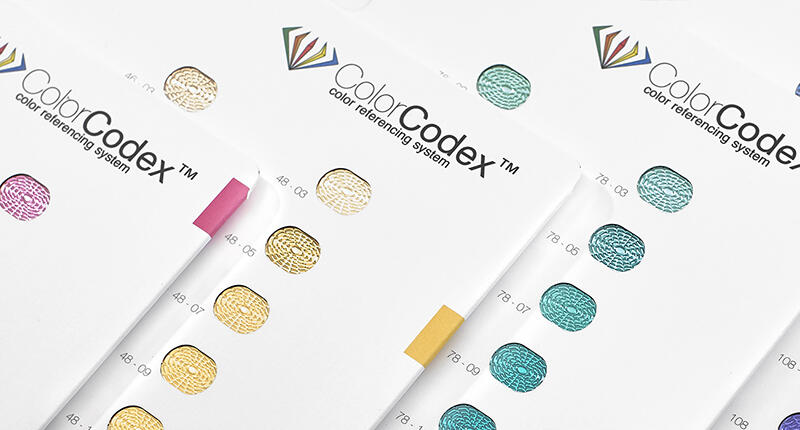
ColorCodex offers a way for the trade to communicate and compare the color of faceted gemstones using numeric values.

Tucson, Ariz.—A new color referencing tool launched in Tucson, designed to help the industry communicate and compare the color of gemstones in a consistent manner.
Chris Smith, developer of the system and president of American Gemological Laboratories, debuted ColorCodex during the AGTA GemFair trade show with a workshop event along with others who had a hand in the project.
The tool, built by gemologists for gemologists, allows industry professionals to compare and reference the color of faceted gemstones.
“Throughout my career in gemology, I’ve always marveled at how an industry that’s built on color is always struggling with how to communicate color and how to deal with color in stones,” Smith said during the Tucson event.
The ColorCodex concept originally debuted in beta form, so to speak, during the AGTA GemFair in 2017. Gem dealers, market analysts and major international laboratories have been testing it for the past two years.
ColorCodex consists of 13 color sheets of 40 color “windows,” each with a reflective and patterned foil to mimic the appearance of a faceted gemstone. Each window has a corresponding numeric code—without any color descriptors—so the designators can be used for many applications, developers said.
There is a total of 65 different hues.
In the system, each hue is represented by its own column, which is then divided into eight windows depicting the varying intensity or saturation of that specific color. 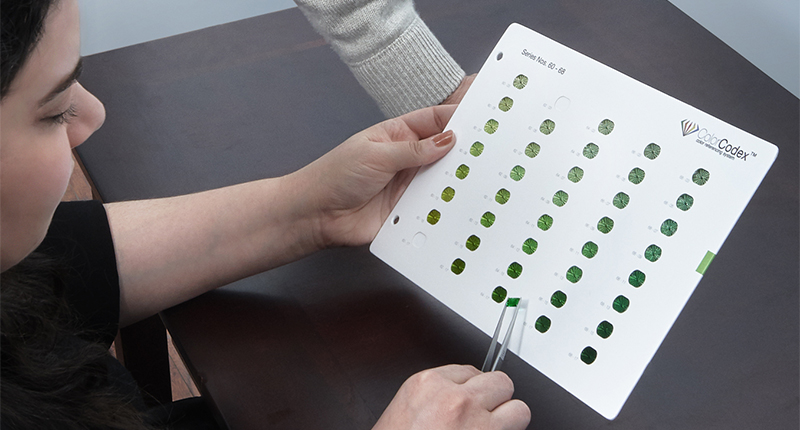
The colors, or hues, are evenly numbered horizontally across the page from 10 through 138, while the vertical windows showing intensity are given odd numbers from 03 through 17.
Combining these two numeric values therefore defines not only a specific color but also its level of saturation.
Space also has been left between the color windows on each sheet to allow for when a gemstone’s color may fall in between two.
Developers addressed when gemstones also have an added tonal element to their color by designing gray overlay cards.
“In transparent faceted gems, cutting will create brightened reflections of brilliance and color as well as blackened areas of extinction,” Smith said in a press release. “The ColorCodex system was specifically engineered to mimic this appearance and present color more as we see it in gems.”
Smith





A monthly podcast series for jewelry professionals


From protecting customer data to safeguarding inventory records, it's crucial to learn how to tackle cybersecurity challenges.


Test Podcast With Video. New interview with Ada Lovelace.



Abstract for tests. New Podcast interview with John Lennon, Jimi Hendrix and Jim Morison.

Ahead of the holiday season, Smith delves into the often subconscious reasons people buy luxury products for themselves or their loved ones.

The GMT-Master “Pepsi” belonging to astronaut Edgar Mitchell is a standout in RR Auction’s online “Space Auction,” going on now.

The ads celebrate the mall culture of the ‘80s and ‘90s.

Retail sales associates can access the video series on mobile to refresh their selling skills.

For 25 years, India’s Gem & Jewellery National Relief Foundation has provided aid in the wake of war, natural disasters, and global crises.

The November auction will feature a collection of jewels owned by Ferdinand I, the first king of modern Bulgaria, and his family.

Commercial production has begun underground at the Canadian diamond mine’s A21 pipe.

Deloitte and Adobe Analytics shared their insights on the season, from the retail sales forecast to the role of generative AI.

The Texas-based jeweler collaborated with luxury clothing brand Uncommon Man on men’s bands designed with European influences.

Industry players have found ways to cope with market conditions while working to reshape themselves in the face of emerging realities.

The sales event, in its second year, features a selection of rare diamonds from the miner’s Argyle and Diavik diamond mines.

A portion of the proceeds from the “Always Dream” collection will go to Yamaguchi's foundation, supporting early childhood literacy.





This site uses cookies to give you the best online experience. By continuing to use & browse this site, we assume you agree to our Privacy Policy