


PodcastsJan 12, 2026
The latest poscasttest





test


De Beers is also gearing up for a brick-and-mortar test of the brand in Q4.

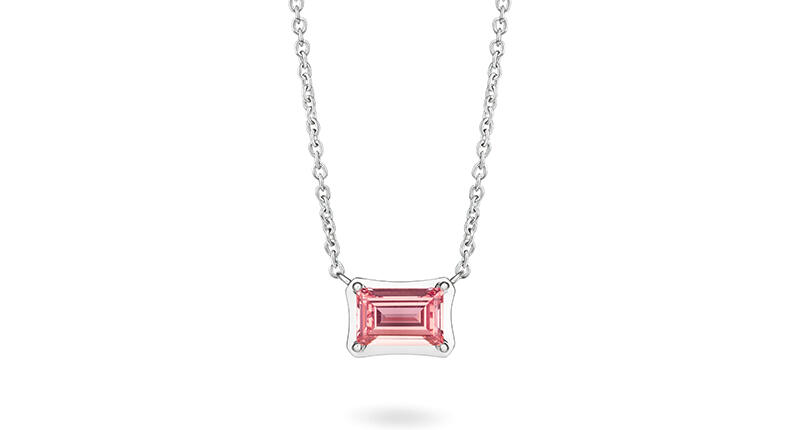
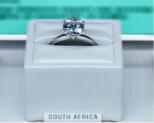
New York—Lightbox, the lab-grown diamond brand launched by De Beers last year, is headed north.
The company said Thursday it will now sell and ship to Canadians in all 10 of the country’s provinces, marking the first time Lightbox has been sold outside the United States.
It said the move was “a direct response to requests from Canadian customers who have expressed an interest in Lightbox since the company launched e-commerce last September.”
De Beers announced plans to get into the business of man-made diamonds in spring 2018, right before the Las Vegas trade shows.
RELATED CONTENT: Consumers Saw Lightbox. Here’s What They Wanted to Know.News that the diamond miner and marketer would begin selling man-made stones shook up the industry, particularly when De Beers revealed how much it would be charging—$800 per carat plus the cost of the setting.






A monthly podcast series for jewelry professionals


From protecting customer data to safeguarding inventory records, it's crucial to learn how to tackle cybersecurity challenges.


Test Podcast With Video. New interview with Ada Lovelace.



Abstract for tests. New Podcast interview with John Lennon, Jimi Hendrix and Jim Morison.

Ahead of the holiday season, Smith delves into the often subconscious reasons people buy luxury products for themselves or their loved ones.

The GMT-Master “Pepsi” belonging to astronaut Edgar Mitchell is a standout in RR Auction’s online “Space Auction,” going on now.

The ads celebrate the mall culture of the ‘80s and ‘90s.

Retail sales associates can access the video series on mobile to refresh their selling skills.

For 25 years, India’s Gem & Jewellery National Relief Foundation has provided aid in the wake of war, natural disasters, and global crises.

The November auction will feature a collection of jewels owned by Ferdinand I, the first king of modern Bulgaria, and his family.

Deloitte and Adobe Analytics shared their insights on the season, from the retail sales forecast to the role of generative AI.

The Texas-based jeweler collaborated with luxury clothing brand Uncommon Man on men’s bands designed with European influences.

The sales event, in its second year, features a selection of rare diamonds from the miner’s Argyle and Diavik diamond mines.

A portion of the proceeds from the “Always Dream” collection will go to Yamaguchi's foundation, supporting early childhood literacy.

The first in what is slated to be a series of in-depth reports from the consulting company, it focuses on shortening supply chains.

The company said Benjamin Clymer will return to his role as head of the watch news website, which will maintain editorial independence.





This site uses cookies to give you the best online experience. By continuing to use & browse this site, we assume you agree to our Privacy Policy