




PodcastsJan 12, 2026
The latest poscasttest





test


The World Gold Council and Thomson Reuters both weigh in on what they expect in the market for the yellow metal this year.

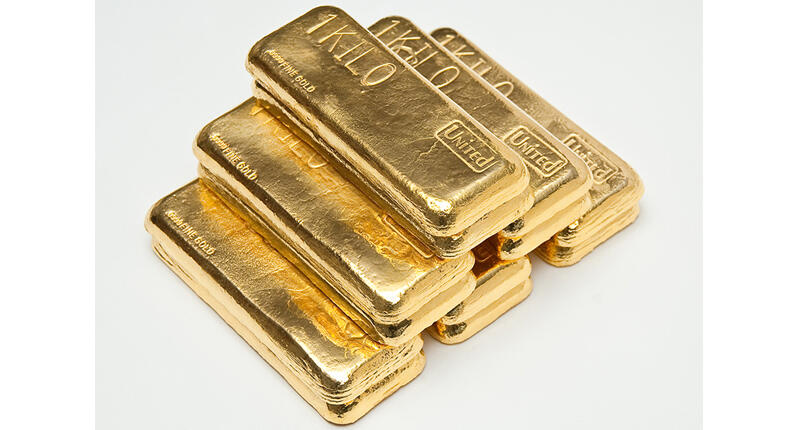
London--While 2016 had its ups and downs, the year proved to be a good one for gold.
The metal’s price grew about 10 percent during the year, according to the World Gold Council, noting that it averaged $1,250.80 per ounce in 2016. It also has gained more than 5 percent since the Federal Reserve increased interest rates in mid-December.
For 2017, Thomson Reuters is forecasting an average price of $1,259 per ounce for gold, which would be a slight increase over the 2016 average that the WGC reported.
The strength of the U.S. dollar likely will remain a headwind to further price increases, at least in the first half of 2017, according to Ross Strachan of Thomson Reuters. Additionally, there aren’t many indications that Asian demand, which declined substantially last year, will pick up again just yet.
However, as the year progresses, there is a likelihood of flows of capital into safe-haven investments, possibly spurred by election results in some European countries and the increasing chances of another country leaving the European Union, he said. This will push up the price of gold.
While it doesn’t make price predictions, the WGC did say it believes that gold demand will remain high in 2017, noting a number of factors that will come into play this year.
According to the WGC, there are six major trends that will support demand for the metal this year.
1. Heightened political and geopolitical risks. There’s a lot of uncertainty in global politics right now--key elections will be held this year in the Netherlands, France and Germany, and the U.K. has to negotiate its exit from the European Union.
In the United States, there are some positive expectations about President Donald J. Trump’s economic proposals but there also are some concerns, especially in regards to trade between countries and “geopolitical tensions triggered by the new administration,” the WGC said.
Gold proves to be a strong investment during times of systemic crisis, the council said, adding that it expects gold investment demand to remain firm in 2017.
2. Currency depreciation. It’s likely that monetary policy will split between the U.S. and other parts of the world this year,with the Federal Reserve expected to tighten its policy while uncertainty looms with what other central banks will do. The divergence is likely to lead to fears of currency deprecation.
Since gold has outperformed all major currencies as a means




A monthly podcast series for jewelry professionals


From protecting customer data to safeguarding inventory records, it's crucial to learn how to tackle cybersecurity challenges.


Test Podcast With Video. New interview with Ada Lovelace.



Abstract for tests. New Podcast interview with John Lennon, Jimi Hendrix and Jim Morison.

Ahead of the holiday season, Smith delves into the often subconscious reasons people buy luxury products for themselves or their loved ones.

The GMT-Master “Pepsi” belonging to astronaut Edgar Mitchell is a standout in RR Auction’s online “Space Auction,” going on now.

Retail sales associates can access the video series on mobile to refresh their selling skills.

For 25 years, India’s Gem & Jewellery National Relief Foundation has provided aid in the wake of war, natural disasters, and global crises.

The November auction will feature a collection of jewels owned by Ferdinand I, the first king of modern Bulgaria, and his family.

Commercial production has begun underground at the Canadian diamond mine’s A21 pipe.

Deloitte and Adobe Analytics shared their insights on the season, from the retail sales forecast to the role of generative AI.

The Texas-based jeweler collaborated with luxury clothing brand Uncommon Man on men’s bands designed with European influences.

Industry players have found ways to cope with market conditions while working to reshape themselves in the face of emerging realities.

The sales event, in its second year, features a selection of rare diamonds from the miner’s Argyle and Diavik diamond mines.

A portion of the proceeds from the “Always Dream” collection will go to Yamaguchi's foundation, supporting early childhood literacy.

The first in what is slated to be a series of in-depth reports from the consulting company, it focuses on shortening supply chains.





This site uses cookies to give you the best online experience. By continuing to use & browse this site, we assume you agree to our Privacy Policy