
Majors

Amid Market Changes, Leo Ingwer Is Going Branded

MajorsNov 10, 2016

Amid Market Changes, Leo Ingwer Is Going Branded

The jewelry manufacturer has made a slow transition toward a higher end, finished product as it also aims to get its messaging in front of consumers.

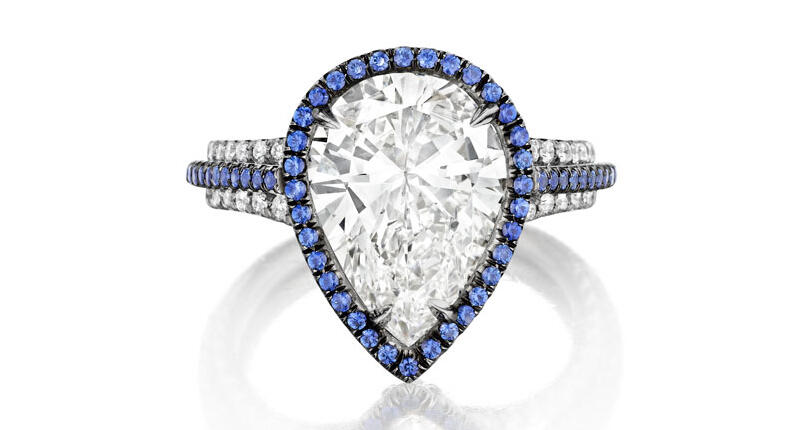
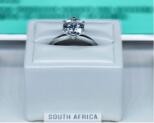
20161110_Leo-Ingwer-pear.jpg
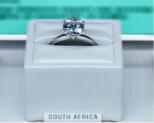
Leo Ingwer’s platinum pear-shaped diamond engagement ring with micro-pave diamonds and blue sapphire halo ($11,000)

New York--It’s not news to anyone in the industry that today’s consumer environment has brought a lot of change to the jewelry market.

For many companies, the challenges have required them to adapt and innovate if they’re to grow and flourish.

For jewelry manufacturer Leo Ingwer, that has meant a change in their product line and messaging over the past couple of years to offer a better service for jewelers and target today’s consumer.

For decades after the company started in 1939, it served as a casting house, then slowly added things like semi-mounts and, in more recent years, full products to its offerings so that it can be a one-stop-shop business for its jewelers.

National Jeweler talked with Todd Ingwer, the company’s lead designer and a third-generation member of the family, about the direction the company is headed and what challenges lay ahead.

National Jeweler: What are the changes Leo Ingwer has been making to its business lately?

Todd Ingwer: My grandfather Leo started in 1939 with a large focus on mountings and engagement rings and wedding bands, essentially. Basically we were a casting house for, I’d say, a good 30 to 40 years. Sometime in the late ‘80s, early ‘90s, we started doing the semi-mounts and that was successful. Then as we entered into the new century, we’ve really been a little bit more design-focused and developing a little bit of a higher-end product than before. We’re now doing more of a finished product, even including a center stone if possible when necessary. That was something we started about five years ago, carrying GIA only and some non-certified stones but having a full inventory.

We now have our feet in both pools, to some extent--with a lot of people still thinking of us as that casting house and that certain type of product--and slowly turning the ship into a different direction.

NJ: When did Leo Ingwer start making this shift?

TI: I would say, the full commitment, about a year ago? I think it’s a slow shift. We’re a third-generation family business, so anything like this has to be handled with a bit of respect and finesse and understanding that change can be hard for certain people, but that you have to keep tweaking slowly but surely. The one thing that does bring quick change is hard times. When the economy crashed back in 2007, 2008, we quite honestly

didn’t feel it. We were very lucky.

What that can do sometimes is create a little bit of complacency and make it a little bit harder to make that adjustment, so you slowly start putting in ideas and changing little things because you don’t want to throw out the baby with the bath water, as they say. But all of a sudden, when you see that retail stores are going out of business at a record pace, you see that certain designers are struggling … all of a sudden it becomes very easy to try those other ideas and to look for that change because, you know what, what choice do we have?
“Now we’re definitely looking to get our name out there a little bit more and push our story, because I think that’s very important to today’s generation of buyers. They want to know the source. They want to know the story behind the source.”
NJ: Why did you feel like it was the time to start making these changes?

TI: What prompted that was the market. In the past, they (jewelers) would have their diamond guy for the melee, they would buy the casting and semi-mount, they would have their own setter, they would have their own polisher, and they would run around putting everything together.

I think as the industry has evolved, people are looking for more of a one-stop shop kind of experience, which is something we’ve tried to provide. I’d say for the last 25 years, but then even more so over the last five years or even seven years, what we’ve recognized--and I think what everyone in the industry is talking about--is the tremendous amount of change that’s coming very quickly. Any time there’s this kind of change, it’s going to affect some people negatively and some of us are going to adjust and change our models a little bit to better represent the industry as it is today.

NJ: Is Leo Ingwer aiming to be a branded line in a jewelry store or to be a private label for jewelers?

TI: It’s a little bit of both, but obviously we’re looking more to brand our name. I think in the past, we were always sort of known as the “jeweler’s jeweler”… but the name Ingwer never really entered the retail customer’s mind. It wasn’t something that they knew about, other than being handed a catalogue to pick from the pictures. Now we’re definitely looking to get our name out there a little bit more and push our story, because I think that’s very important to today’s generation of buyers. They want to know the source. They want to know the story behind the source. They want to know what makes this special, what makes this company special, and why they should buy a ring made by us versus all the other competitors that are out there.

NJ: How are you getting the message out there that the company is changing direction, other than telling retail clients? Are you doing anything consumer-facing?

TI: Yes, this is what we’re building now, and I think that’s the biggest change. We’re now planning on doing a lot more outreach to that retail end-user to make sure that we have a little bit more of control over our story and brand and how it’s represented, and hopefully it’ll lead to people walking into stores and saying they want this ring from Leo Ingwer.
“I hear a lot of, I want to say complaining, about this current generation, this millennial generation, and after a while, it becomes enough. We can’t blame the customer, right?”
NJ: You mentioned that you were going higher end. How is the product changing and how is the pricing changing?

TI: We have different levels now. My signature collection, which is sort of our super high end, hand-made is definitely at a higher price point than the normal Leo Ingwer. What we’re actually doing now is reconfiguring the classic Leo Ingwer product in a way that allows us to increase the quality and yet keep the pricing very similar to where it was. It has more simply to do with the way we manufacture things. I think back in the ‘70s, ‘80s, ‘90s, people wanted bulkier mountings, heavier mountings, whereas now, everything’s more delicate, and it’s about the quality of the work, the craftsmanship, the pave setting and the ability to really make these nice, delicate, intricate settings. The amount of gold being used or metal being used has maybe gone down, but the labor has increased. What we’re finding is that the pricing is very similar. That’s really the goal.

But I think one of the major changes is the story that we’re telling and who we’re talking to, and I think that’s really the key. I hear a lot of, I want to say complaining, about this current generation, this millennial generation, and after a while, it becomes enough. We can’t blame the customer, right? It’s about an experience … there’s so much information, there are so many options, there are so many different ways to go about accomplishing the same end goal of getting an engagement ring that you have to truly make yourself remarkable in some way, shape or form, and you have to figure out what that is. But to sit around and say that they don’t get it or they don’t understand or they don’t know loyalty, I reject that notion because I feel they do.

There’s always a shift in generational values to some extent, but I think that the core of it always stays the same. We have our core values that we’re staying true to, no matter what. Now the idea is how to make these core values fit in today’s business environment.

NJ: Since you’ve started making this change, what are your thoughts about what’s been working and what other challenges there are or retail response?

TI: That’s the hardest part, is the communication with retailers. I think we all know that there are some great retailers out there who, unfortunately, may not make it past these trying times. And there are others that will. I think it’s sort of that attachment to the old brick-and-mortar (mentality of), let’s get in a bunch of brands, let’s fill in the showcases, let’s do a radio commercial and let’s wait for people to come in the door. Those who are slow to adjust won’t make it. We find it very hard to communicate our changes with them. I think that’s our biggest challenge right now, and that’s what we’re working on. Hopefully we can do that successfully.
Brecken Branstratoris the senior editor, gemstones at National Jeweler, covering sourcing, pricing and other developments in the colored stone sector.

The Latest

trend retail.jpg
PodcastsJan 12, 2026
The latest poscast

test

Screenshot from 2026-01-12 06-22-03.png
PodcastsJan 12, 2026
New podcast without sponsor

test

20210205_Alexia_Connellan_Gatsby_earrings.jpg
TrendsJan 12, 2026
New test Article

test article

trend ss21@2x.jpg
Brought to you by
new sponsored article

test

2019_De_Beers_rough_NEW_1.jpg
PodcastsJan 12, 2026
New sponsored podcast

test

Weekly QuizOct 03, 2024
This Week’s Quiz
Test your jewelry news knowledge by answering these questions.
Take the Quiz
MNQ FINAL - NJ web - 1872 x 1052 px.png
PodcastsJan 12, 2026
Introducing My Next Question, the Podcast

A monthly podcast series for jewelry professionals

Screenshot from 2025-12-31 12-03-28.png
PodcastsDec 31, 2025
Test new podcast post

Test new podcast post

Jewelers Mutual Group Cybersecurity
Brought to you by
Navigating Cybersecurity: Essential Guidance for Jewelers

From protecting customer data to safeguarding inventory records, it's crucial to learn how to tackle cybersecurity challenges.

MNQ - studio - screen -1920 x 1080.png
PodcastsDec 29, 2025
Molly Test Podcast Episode

This is the abstract for Molly Test Podcast Episode

image 169 (4 col).png
PodcastsDec 10, 2025
Podcast With Video

Podcast Without Video or Audio or Image

image 169 (4 col).jpg
Recorded WebinarsDec 04, 2025
New Recorded Webinar for tests

New Recorded Webinar for tests

User-Avatar-PNG-Picture.png
PodcastsDec 03, 2025
Test Article Title

test Abstract

20210204_Couture_show_shot.jpg
PodcastsDec 02, 2025
New podcast

test desc

Screenshot from 2025-12-05 13-54-41.png
PodcastsNov 27, 2025
Test Podcast With Video

Test Podcast With Video. New interview with Ada Lovelace.

Image for tests
PodcastsNov 25, 2025
Test New Podcast Post

Abstract for tests. New Podcast interview with John Lennon, Jimi Hendrix and Jim Morison.

National Jeweler columnist Peter Smith
ColumnistsOct 09, 2024
Peter Smith: 7 Things to Know When Selling Luxury

Ahead of the holiday season, Smith delves into the often subconscious reasons people buy luxury products for themselves or their loved ones.

Edgar Mitchell wearing Rolex watch on Apollo 14
AuctionsOct 09, 2024
Rolex Worn on Apollo 14 Mission Up for Sale

The GMT-Master “Pepsi” belonging to astronaut Edgar Mitchell is a standout in RR Auction’s online “Space Auction,” going on now.

Platinum Guild International training
MajorsOct 09, 2024
PGI Launches New Virtual Sales Training

Retail sales associates can access the video series on mobile to refresh their selling skills.

Gathering at Bharat Diamond Bourse for COVID vaccinations
Policies & IssuesOct 09, 2024
GJNRF: Reaching Out, Rebuilding Futures

For 25 years, India’s Gem & Jewellery National Relief Foundation has provided aid in the wake of war, natural disasters, and global crises.

Sotheby’s A Tsar’s Treasure: Ferdinand of Bulgaria
AuctionsOct 08, 2024
Sotheby’s Selling Jewelry That Belonged to a Bulgarian Tsar

The November auction will feature a collection of jewels owned by Ferdinand I, the first king of modern Bulgaria, and his family.

Rough diamonds mined at the Diavik Diamond Mine
SourcingOct 08, 2024
Rio Tinto Begins New Phase of Production That Will Extend Diavik’s Life

Commercial production has begun underground at the Canadian diamond mine’s A21 pipe.

Stock image of hand holding phone by keyboard
SurveysOct 08, 2024
What to Know About Online Shopping This Holiday Season

Deloitte and Adobe Analytics shared their insights on the season, from the retail sales forecast to the role of generative AI.

Sylvie and Uncommon Man Campaign
CollectionsOct 08, 2024
Sylvie Adds New Men’s Bands

The Texas-based jeweler collaborated with luxury clothing brand Uncommon Man on men’s bands designed with European influences.

Diamond on polishing wheel Venus Jewel India
SourcingOct 08, 2024
Is Current Diamond Industry Turbulence Shaping a ‘New Normal’?

Industry players have found ways to cope with market conditions while working to reshape themselves in the face of emerging realities.

Rio Tinto 2024 Beyond RareTM Tender Art Series
SourcingOct 07, 2024
Rio Tinto to Offer 76 Diamonds in 2024 Beyond Rare Tender

The sales event, in its second year, features a selection of rare diamonds from the miner’s Argyle and Diavik diamond mines.

Kristi Yamaguchi and Scott Heller
CollectionsOct 07, 2024
Olympian Kristi Yamaguchi Partners With Heller Jewelers on New Collection

A portion of the proceeds from the “Always Dream” collection will go to Yamaguchi's foundation, supporting early childhood literacy.

Hill & Co. logo
SurveysOct 07, 2024
Hill & Co.’s New ‘Business of Jewelry Report’ Is Out

The first in what is slated to be a series of in-depth reports from the consulting company, it focuses on shortening supply chains.


×

This site uses cookies to give you the best online experience. By continuing to use & browse this site, we assume you agree to our Privacy Policy