




PodcastsJan 12, 2026
The latest poscasttest







test


Consulting company MarketShare has found that advertising on television “is still the ‘best giant megaphone’ to convey a message to a large audience of consumers.”
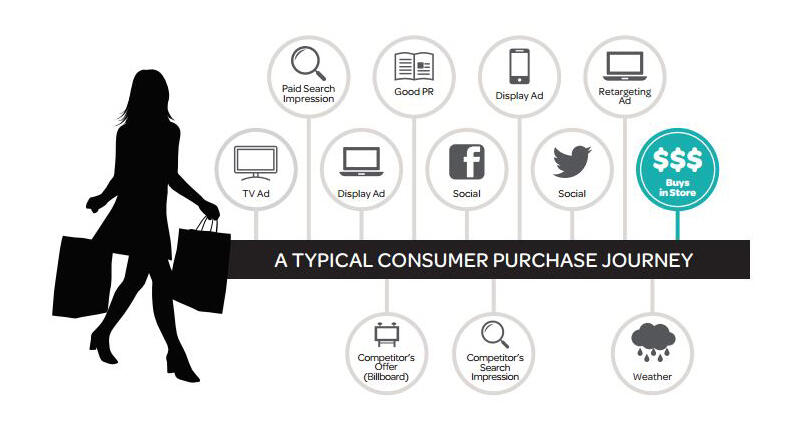
New York--Advertising on television consistently is more effective at impacting sales and new accounts than paid search, print or online ads, according to a recent study by consulting company MarketShare.
The company said its finding show that television “provides a direct and meaningful sales lift,” because it increases awareness and consideration and increases the effectiveness of other marketing vehicles further down the purchase funnel, meaning TV should be a relevant part of a marketing campaign that includes both online and traditional advertising mediums.
The study, “Evaluating TV Effectiveness in a Changed Media Landscape,” identified four major findings that show television advertising is the most effective and efficient way to reach consumers. They are as follows.
1. TV has the highest relative efficiency in achieving key performance indictors (KPIs) at similar spending levels when compared to other media outlets, including print, radio and online ads, both display and social.
This is true across a range of industries, including automotive, financial services, consumer packaged goods and retail, and comes despite the explosion of digital media in the past five years, MarketShare said.
“TV is a major driver of indirect outcomes such as inbound calls, organic search query volumes and website visits, which, in turn, lead to direct outcomes, such as purchases or other significant conversions,” the study states.
2. In spite of changes in consumer habits over the past few years, TV’s effectiveness at driving advertiser KPIs has not diminished.
The study found that, for all media analyzed, there was an 11.5 percent decline when comparing 2009-2011 media effectiveness to 2012-2014, “likely due to the splintering of media channels brought about by the new digital landscape.”
However, TV was the only medium that retained its relative effectiveness when compared to other channels over that time period. TV’s effectiveness dropped only 2 percent while online media’s effectiveness was down about 10 percent and offline media’s effectiveness (sans TV) declined nearly 23 percent (graph shown in gallery.)
“The value of many digital channels has been eroded by such factors as ad-blocking, click fraud and visibility issues,” MarketShare states.
Still, TV spend allocations are not a one-size-fits-all.
“Specific spending recommendations will vary by advertiser, depending, in part, on where a marketer’s media spend lies on the outcomes response curves for each advertising medium, and the interaction effects between media channels.”
3. Marketers can use advanced analytic techniques to optimize TV spend more effectively.

“Because TV advertising drives measurable actions such as inbound calls and online searches, TV advertisers can leverage these interactions as key data points to evaluate TV effectiveness,” the study states. “While online and mobile popularity have grown tremendously, TV is still the ‘best giant megaphone’ to convey a message to a large audience of consumers.”
4. Premium online video from broadcast and cable TV networks is disrupting the digital media mix.
Despite lower impression volumes, premium video content is clearly more effective than user-generated and short-form content, the study states.
“Leading media sellers … seem increasingly aware of the value of high-quality content (and of the fact that brands will always follow the audience.) For instance, in 2014, YouTube launched Google Preferred, which allows advertisers to buy ad space next to only high-quality, professionally produced content, such as The New York Times or Vice Media.”
For the study, New York-based MarketShare evaluated data from thousands of marketing optimization models across a range of industries including financial services, telecommunications, hospitality, consumer packaged goods and retail. It also examined decades of research and applied marketing science, as well as MarketShare Benchmark, the company’s planning and allocation software application.




A monthly podcast series for jewelry professionals


From protecting customer data to safeguarding inventory records, it's crucial to learn how to tackle cybersecurity challenges.


Test Podcast With Video. New interview with Ada Lovelace.



Abstract for tests. New Podcast interview with John Lennon, Jimi Hendrix and Jim Morison.

Ahead of the holiday season, Smith delves into the often subconscious reasons people buy luxury products for themselves or their loved ones.

The GMT-Master “Pepsi” belonging to astronaut Edgar Mitchell is a standout in RR Auction’s online “Space Auction,” going on now.

The ads celebrate the mall culture of the ‘80s and ‘90s.

Retail sales associates can access the video series on mobile to refresh their selling skills.

For 25 years, India’s Gem & Jewellery National Relief Foundation has provided aid in the wake of war, natural disasters, and global crises.

The November auction will feature a collection of jewels owned by Ferdinand I, the first king of modern Bulgaria, and his family.

Commercial production has begun underground at the Canadian diamond mine’s A21 pipe.

The Texas-based jeweler collaborated with luxury clothing brand Uncommon Man on men’s bands designed with European influences.

Industry players have found ways to cope with market conditions while working to reshape themselves in the face of emerging realities.

The sales event, in its second year, features a selection of rare diamonds from the miner’s Argyle and Diavik diamond mines.

A portion of the proceeds from the “Always Dream” collection will go to Yamaguchi's foundation, supporting early childhood literacy.

The company said Benjamin Clymer will return to his role as head of the watch news website, which will maintain editorial independence.





This site uses cookies to give you the best online experience. By continuing to use & browse this site, we assume you agree to our Privacy Policy