


PodcastsJan 12, 2026
The latest poscasttest





test


In a rare televised interview, the Queen of England shared her thoughts on her coronation 65 years ago and the iconic jewels that haven’t been worn since.

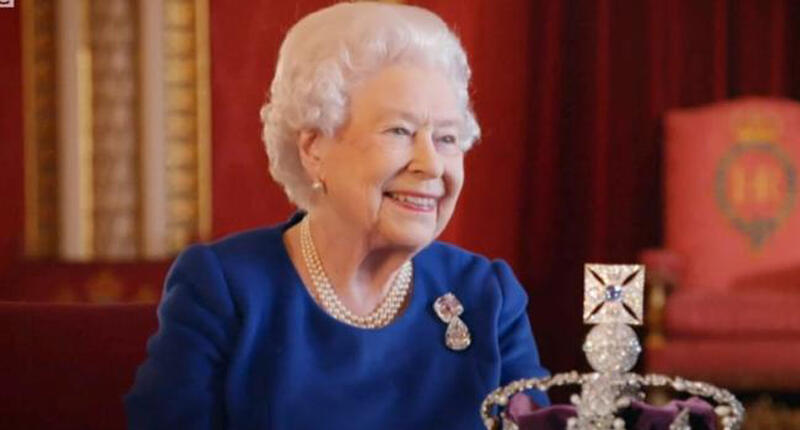
London--Queen Elizabeth II has been the subject of extra fascination since the debut of “The Crown,” the Netflix series that recounts her life, but fans of the royal were able to witness what she’s really like when she made a rare televised appearance in a BBC documentary that aired Sunday.
“The Coronation with Her Majesty the Crown” recounted details of the sovereign’s official coronation 65 years ago, with the queen herself joining royal expert and interviewer Alastair Bruce to watch the event (it was televised at the time) and lend her own commentary.
Bruce and the queen spoke in depth about the Crown Jewels of the United Kingdom, which were brought from the Tower of London to Buckingham Palace for personal inspection during the interview.
Here are six interesting facts we learned about the Crown Jewels from the documentary.
Elizabeth Wore Two Crowns During the Coronation
The Crown Jewels is comprised of over 140 items containing more than 23,000 precious stones, the most famous of which are the Cullinan I and Cullinan II diamonds, cut from the 3,106-carat Cullinan Diamond, the largest gem-quality rough ever found. Most of these items, known as the regalia, are used in the coronation.
The most important of these is St Edward’s Crown, made in 1661 for the coronation of Charles II. The solid gold crown weighs five pounds and boasts 440 gemstones.
The queen hasn’t worn St Edward’s Crown since her coronation. A second crown—the Imperial State Crown, which is lighter—was placed on her head at the end of the coronation ritual. She still wears it for most state openings of Parliament.
The Queen Isn’t Afraid to Handle These Rare and Important Jewels
While many would be intimidated to handle jewels of such great value and historical import, not so much Her Majesty.
Only she, the Archbishop of Canterbury, and the crown jeweler are allowed to touch St Edward’s Crown.
During the queen’s interview, Bruce asked if the crown could be placed closer to the queen as they discussed it. She grabbed it roughly with both hands, telling Bruce simply: “This is what I do when I wear it.”
Or talk about them plainly.
She was similarly less than pretentious in her observations of it.
“Is it still as heavy? Yes it is,” she remarked. “Weighs a ton. It’s very solid isn’t it?”
Other gems of wisdom from the queen



A monthly podcast series for jewelry professionals




From protecting customer data to safeguarding inventory records, it's crucial to learn how to tackle cybersecurity challenges.


Test Podcast With Video. New interview with Ada Lovelace.



Abstract for tests. New Podcast interview with John Lennon, Jimi Hendrix and Jim Morison.

Ahead of the holiday season, Smith delves into the often subconscious reasons people buy luxury products for themselves or their loved ones.

The GMT-Master “Pepsi” belonging to astronaut Edgar Mitchell is a standout in RR Auction’s online “Space Auction,” going on now.

The ads celebrate the mall culture of the ‘80s and ‘90s.

Retail sales associates can access the video series on mobile to refresh their selling skills.

For 25 years, India’s Gem & Jewellery National Relief Foundation has provided aid in the wake of war, natural disasters, and global crises.

The November auction will feature a collection of jewels owned by Ferdinand I, the first king of modern Bulgaria, and his family.

Commercial production has begun underground at the Canadian diamond mine’s A21 pipe.

Deloitte and Adobe Analytics shared their insights on the season, from the retail sales forecast to the role of generative AI.

The Texas-based jeweler collaborated with luxury clothing brand Uncommon Man on men’s bands designed with European influences.

Industry players have found ways to cope with market conditions while working to reshape themselves in the face of emerging realities.

The sales event, in its second year, features a selection of rare diamonds from the miner’s Argyle and Diavik diamond mines.

A portion of the proceeds from the “Always Dream” collection will go to Yamaguchi's foundation, supporting early childhood literacy.

The first in what is slated to be a series of in-depth reports from the consulting company, it focuses on shortening supply chains.





This site uses cookies to give you the best online experience. By continuing to use & browse this site, we assume you agree to our Privacy Policy