


PodcastsJan 12, 2026
The latest poscasttest





test


In addition to being cheaper, the diamond screening machine is also faster and better, De Beers said.

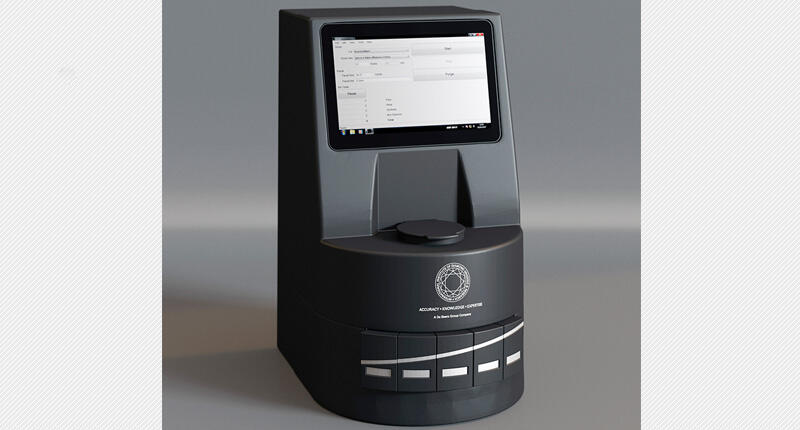
Hong Kong--De Beers has dropped the price of the device designed to automatically batch screen diamond melee by nearly half.
The second-generation Automated Melee Screener, or AMS, is priced at $45,000, compared with $85,000 ($55,000 plus a three-year, $10,000-a-year support and maintenance charge) for the first-generation version introduced to the market in 2014.
De Beers said the AMS2 also is about 10 times faster than its predecessor and has a substantially lower referral rate, meaning that fewer diamonds need further testing. A company spokeswoman said the referral rate on the AMS2 is less than 0.5 percent, compared with 2 percent on the first version.
Here’s how the AMS and AMS2 devices work.
A user can place up to 500 carats of melee in the machine at once. After the diamonds are inserted, the machine automatically feeds the stones, table down, into a testing station.
Once the stones are tested, they are dispensed into one of five bins:
-- Pass: The stone is not lab-grown or a simulant (meaning CZ, etc.);
-- Refer: More testing is needed;
-- Refer Type II: The stone has a low concentration of nitrogen and further testing is required as it might be lab-grown;
-- Non-diamond: The stone is a simulant or lab-grown; and
-- Purge: This bin is for when the user needs to empty out the machine because, for example, they put in the wrong packet of diamonds.
The AMS device can test colorless or near-colorless diamonds as small as one point and as large as 0.20 carats and was developed to separate man-made melee from natural stones in response to growing industry concerns about undisclosed lab-grown melee in the supply pipeline.
RELATED CONTENT: 5 Takeaways on the Lab-Grown Diamond Market
De Beers’ International Institute of Diamond Grading & Research developed the second-generation AMS device. The IIDGR is a De Beers-owned facility that develops diamond testing equipment and grades stones, and has developed the other products De Beers uses to screen for synthetics, the DiamondView, DiamondSure and PhosView.
When it initially opened, the lab graded only Forevermark stones but it began accepting all diamonds in February 2016. Those who want to send diamonds to the lab can visit the contact details area of IIDGR.com to inquire about the service they want.
The IIDGR has facilities in Maidenhead, United Kingdom; Surat and Antwerp.
De Beers unveiled the AMS2 at the International Diamond, Gem & Pearl Show this week in Hong Kong.
It will





A monthly podcast series for jewelry professionals


From protecting customer data to safeguarding inventory records, it's crucial to learn how to tackle cybersecurity challenges.


Test Podcast With Video. New interview with Ada Lovelace.



Abstract for tests. New Podcast interview with John Lennon, Jimi Hendrix and Jim Morison.

Ahead of the holiday season, Smith delves into the often subconscious reasons people buy luxury products for themselves or their loved ones.

The GMT-Master “Pepsi” belonging to astronaut Edgar Mitchell is a standout in RR Auction’s online “Space Auction,” going on now.

The ads celebrate the mall culture of the ‘80s and ‘90s.

Retail sales associates can access the video series on mobile to refresh their selling skills.

For 25 years, India’s Gem & Jewellery National Relief Foundation has provided aid in the wake of war, natural disasters, and global crises.

The November auction will feature a collection of jewels owned by Ferdinand I, the first king of modern Bulgaria, and his family.

Commercial production has begun underground at the Canadian diamond mine’s A21 pipe.

Deloitte and Adobe Analytics shared their insights on the season, from the retail sales forecast to the role of generative AI.

The Texas-based jeweler collaborated with luxury clothing brand Uncommon Man on men’s bands designed with European influences.

Industry players have found ways to cope with market conditions while working to reshape themselves in the face of emerging realities.

The sales event, in its second year, features a selection of rare diamonds from the miner’s Argyle and Diavik diamond mines.

A portion of the proceeds from the “Always Dream” collection will go to Yamaguchi's foundation, supporting early childhood literacy.





This site uses cookies to give you the best online experience. By continuing to use & browse this site, we assume you agree to our Privacy Policy