


PodcastsJan 12, 2026
The latest poscasttest





test


The company is implementing a policy shift that will allow sightholders to refer to its rough stones as “DTC diamonds.”

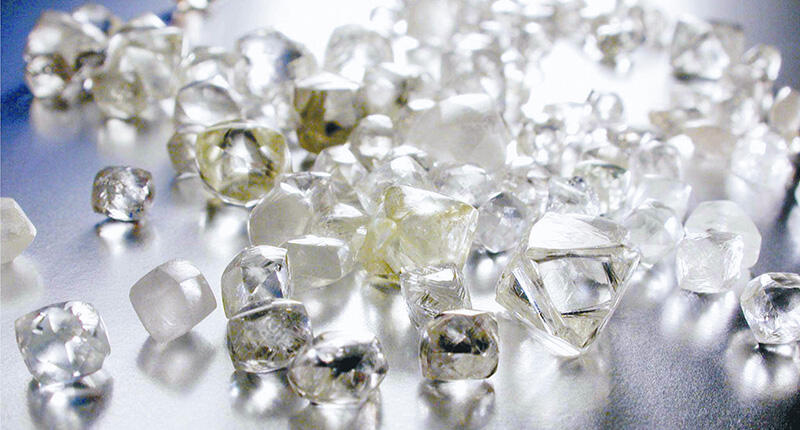
In the first week of the new year, Diamonds.net published a story on an issue that deserves at least some attention from the trade.
The online news portal for the Rapaport Group reported that De Beers Group has relaxed its rules on buyers identifying its goods as “De Beers” diamonds further down the supply pipeline, bringing back an old moniker for this new practice.
After being pushed by customers and sightholders to align with supply and demand—that is, the growing demand for source information and the fact that they can already point to their supply of Russian diamonds and say, “these are from Alrosa”—De Beers is now going to allow customers and sightholders to identify diamonds purchased from De Beers as “DTC diamonds,” David Prager, the company’s executive vice president of corporate affairs, confirmed in an interview Friday.
As I’m sure many are aware, the DTC, or Diamond Trading Co., was the name formerly used for De Beers’ sales and marketing arm. The DTC was established in 1934 but the name was retired, so to speak, a few years ago when De Beers Group began renaming everything “De Beers.” The DTC became De Beers Global Sightholder Sales, in the same fashion that Diamdel became De Beers Auction Sales.
The new rule will take effect in either the second sight of the year in February or the third sight in March and will be accompanied by a new website (DTC.com) that will contain information and statistics about De Beers’ mines.
What this means for jewelers at the other end of the supply chain: “When this goes live, a retailer will be able to say, ‘These diamonds come from DTC, they come from Canada, Botswana, South Africa or Namibia,’” Prager said.
They also are free to then explain to customers that the DTC is part of De Beers.
What sightholders and jewelers won’t be able to do, however, is use the name “De Beers” in any marketing collateral.
The company is reserving the use of its legacy name and for good reason.
First, to allow the trade and retailers to market “De Beers diamonds” unchecked through retail outlets would mean the company would have no control over distribution and, as Prager noted, “I think any brand in the world would tell you that’s not a good idea.” (More on De Beers’ expansion from a diamond mining company to a full-fledged brand is below.)





A monthly podcast series for jewelry professionals


From protecting customer data to safeguarding inventory records, it's crucial to learn how to tackle cybersecurity challenges.


Test Podcast With Video. New interview with Ada Lovelace.



Abstract for tests. New Podcast interview with John Lennon, Jimi Hendrix and Jim Morison.

Ahead of the holiday season, Smith delves into the often subconscious reasons people buy luxury products for themselves or their loved ones.

The GMT-Master “Pepsi” belonging to astronaut Edgar Mitchell is a standout in RR Auction’s online “Space Auction,” going on now.

The ads celebrate the mall culture of the ‘80s and ‘90s.

Retail sales associates can access the video series on mobile to refresh their selling skills.

For 25 years, India’s Gem & Jewellery National Relief Foundation has provided aid in the wake of war, natural disasters, and global crises.

The November auction will feature a collection of jewels owned by Ferdinand I, the first king of modern Bulgaria, and his family.

Commercial production has begun underground at the Canadian diamond mine’s A21 pipe.

Deloitte and Adobe Analytics shared their insights on the season, from the retail sales forecast to the role of generative AI.

The Texas-based jeweler collaborated with luxury clothing brand Uncommon Man on men’s bands designed with European influences.

Industry players have found ways to cope with market conditions while working to reshape themselves in the face of emerging realities.

The sales event, in its second year, features a selection of rare diamonds from the miner’s Argyle and Diavik diamond mines.

A portion of the proceeds from the “Always Dream” collection will go to Yamaguchi's foundation, supporting early childhood literacy.





This site uses cookies to give you the best online experience. By continuing to use & browse this site, we assume you agree to our Privacy Policy