


PodcastsJan 12, 2026
The latest poscasttest





test


Consumers are loving gold once again, with the U.S. recording its best fourth quarter for jewelry demand since 2009 and “distress selling” on the decline.

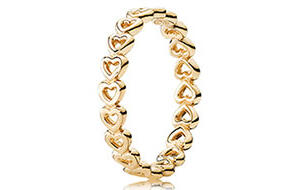
London--Jewelers are once again selling more gold than they are buying off the street.
According to the London-based World Gold Council’s Gold Demand Trends report, the fourth quarter 2014 was the strongest fourth quarter for gold jewelry demand in the United States since 2009 and increased 13 percent year-over-year.
Full-year demand in the U.S. increased 9 percent to hit 132.4 tons, which was its highest level in five years though still nowhere near pre-recession levels. (Annual U.S. demand averaged, for example, around 360 tons between 2000 and 2006.)
Consumers were buying more 14-karat gold jewelry and less lower-quality 10-karat gold jewelry, and responded to targeted marketing campaigns.
“Growth in consumer confidence and the positive impact of lower oil prices are likely to feed through to further improvements in this market over the coming quarters and retailers report a widespread conviction in the underlying growth trend,” the report states.
While the economy continues to recover and consumers feel more comfortable buying gold jewelry, what they are no longer doing is selling their gold for cash, a business that carried many retailers through the recession.
Globally, recycling declined 11 percent year-over-year to reach a seven-year low in 2014, the report states. “Looking forward, we expect recycling to remain low in 2015, and possibly decrease further given that a large portion of near-market supply has been flushed out in recent years. Less distress selling may further suppress recycling volumes.”
Worldwide, demand for gold jewelry rose 1 percent in volume terms but declined 5 percent in value terms in the fourth quarter.
For the full year, gold jewelry demand fell 10 percent in volume terms, with the report noting that, “2014 was always going to be a difficult year for jewelry demand, contending with comparisons to phenomenal strength in 2013.”
The U.S. market was among those that bucked the trend with its 9 percent growth. Demand for gold jewelry also grew in the United Kingdom (up 18 percent), where the report noted some interest in heavyweight gold chains, and India.
Price-wise, the average quarterly price of gold declined 10 percent in 2014 in U.S. dollar terms, dropping from $1,411.20 to $1,266.40. Outside the U.S., Russia and the nations of Europe saw the price of gold go up as their currency weakened versus the dollar.





A monthly podcast series for jewelry professionals


From protecting customer data to safeguarding inventory records, it's crucial to learn how to tackle cybersecurity challenges.


Test Podcast With Video. New interview with Ada Lovelace.



Abstract for tests. New Podcast interview with John Lennon, Jimi Hendrix and Jim Morison.

Ahead of the holiday season, Smith delves into the often subconscious reasons people buy luxury products for themselves or their loved ones.

The GMT-Master “Pepsi” belonging to astronaut Edgar Mitchell is a standout in RR Auction’s online “Space Auction,” going on now.

The ads celebrate the mall culture of the ‘80s and ‘90s.

Retail sales associates can access the video series on mobile to refresh their selling skills.

For 25 years, India’s Gem & Jewellery National Relief Foundation has provided aid in the wake of war, natural disasters, and global crises.

The November auction will feature a collection of jewels owned by Ferdinand I, the first king of modern Bulgaria, and his family.

Commercial production has begun underground at the Canadian diamond mine’s A21 pipe.

Deloitte and Adobe Analytics shared their insights on the season, from the retail sales forecast to the role of generative AI.

The Texas-based jeweler collaborated with luxury clothing brand Uncommon Man on men’s bands designed with European influences.

Industry players have found ways to cope with market conditions while working to reshape themselves in the face of emerging realities.

The sales event, in its second year, features a selection of rare diamonds from the miner’s Argyle and Diavik diamond mines.

A portion of the proceeds from the “Always Dream” collection will go to Yamaguchi's foundation, supporting early childhood literacy.





This site uses cookies to give you the best online experience. By continuing to use & browse this site, we assume you agree to our Privacy Policy