


PodcastsJan 12, 2026
The latest poscasttest






test


Dealers at The Original Miami Beach Antique Show dish on the telltale signs that something is a reproduction and the importance of experience.


Last week I was in Miami for The Original Miami Beach Antique Show and the following happened, in this order:
--I gave a talk on the history behind the squash blossom necklace at the Jewelry History Series with minimal heckling;
--I heard a number of other informative presentations, including one on World War II “Sweetheart Jewelry” by Jan Krulick and another from John P. Walcher of Chicago auction house Toomey & Co. on the jewelry made in the Windy City during the Arts & Crafts movement, particularly at The Kalo Shop;
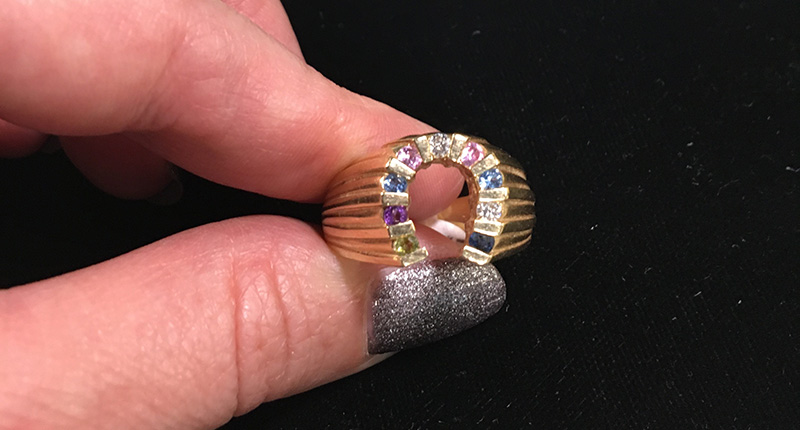
--I saw some incredible jewelry (some of which is pictured here) and made great new friends; and
--I dipped my toes in the Atlantic Ocean (translation: I attempted to get only my feet wet but underestimated the waves and ended up with jeans soaked to the knees.)
Along the way, I stopped to chat with dealers at the show to get their advice on antique and estate jewelry buying for those who are opening a store (brick-and-mortar or online), taking over the buying responsibilities at an established store or looking to get into the business.
The advice I heard repeated most often wasn’t so much advice as it was a statement of fact: second-hand buying is mainly about experience. Being a good buyer comes from years of looking at and handling jewelry and, as with anything else, making mistakes along the way.
“The more you handle, the better you get,” New York-based dealer Hartley Brown told me at his booth while allowing me to handle some beautiful mandarin garnets. “It’s experience.”
And when I stopped by the booth of Kurt Rother of Los Angeles-based Excalibur on Saturday afternoon and asked him how to tell if a piece of allegedly antique jewelry is a reproduction, he summed it up like this: “years of experience.”
There were, however, a few specific tips that I was able to glean from the dealers I spoke with in Miami.
1. Examine the jewelry from all angles, carefully.
Look at the back of a piece of jewelry, Brown advised, not just the front. Good antique jewelry will be expertly finished but, as we will get to under No. 2, not without signs of wear.
Diane Richardson of The Gold Hatpin in Oak Park, Illinois, said to always examine a piece of jewelry with a loupe before buying—look at the stamp, check the findings, check the prongs.





A monthly podcast series for jewelry professionals


From protecting customer data to safeguarding inventory records, it's crucial to learn how to tackle cybersecurity challenges.


Test Podcast With Video. New interview with Ada Lovelace.



Abstract for tests. New Podcast interview with John Lennon, Jimi Hendrix and Jim Morison.

Ahead of the holiday season, Smith delves into the often subconscious reasons people buy luxury products for themselves or their loved ones.

The GMT-Master “Pepsi” belonging to astronaut Edgar Mitchell is a standout in RR Auction’s online “Space Auction,” going on now.

The ads celebrate the mall culture of the ‘80s and ‘90s.

Retail sales associates can access the video series on mobile to refresh their selling skills.

For 25 years, India’s Gem & Jewellery National Relief Foundation has provided aid in the wake of war, natural disasters, and global crises.

The November auction will feature a collection of jewels owned by Ferdinand I, the first king of modern Bulgaria, and his family.

Commercial production has begun underground at the Canadian diamond mine’s A21 pipe.

Deloitte and Adobe Analytics shared their insights on the season, from the retail sales forecast to the role of generative AI.

The Texas-based jeweler collaborated with luxury clothing brand Uncommon Man on men’s bands designed with European influences.

Industry players have found ways to cope with market conditions while working to reshape themselves in the face of emerging realities.

The sales event, in its second year, features a selection of rare diamonds from the miner’s Argyle and Diavik diamond mines.

A portion of the proceeds from the “Always Dream” collection will go to Yamaguchi's foundation, supporting early childhood literacy.





This site uses cookies to give you the best online experience. By continuing to use & browse this site, we assume you agree to our Privacy Policy