


PodcastsJan 12, 2026
The latest poscasttest





test


An article published in The Washington Post this week about how bars are dealing with the deluge of requests to charge patrons’ smartphones brings up the larger question of, when is it OK to say “no” to a customer?

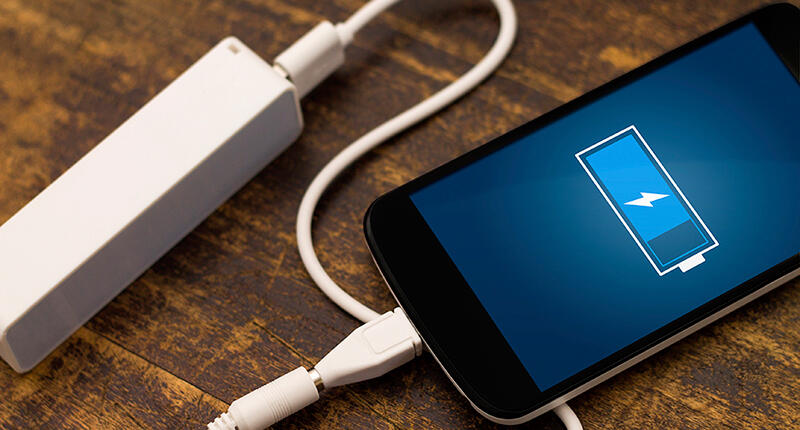
On Tuesday, The Washington Post ran a story detailing how D.C.-area bars are dealing with the constant deluge of requests they get from customers to charge their smartphones.
The watering holes’ solutions ranged from installing more outlets and keeping a stock of left-behind chargers behind the bar for battery-challenged guests to making patrons who requested a plug-in wear a big striped top hat while their phones are charging. (Think The Cat in the Hat.)
Other bar owners are just refusing to do it because they, very understandably, don’t want to be responsible for replacing phones that get stolen or have liquor spilled on them. They also don’t want their bartenders to be distracted from their main job, the (very important) task of pouring drinks.
Now granted, a jewelry store is not the same as a bar. Though I could be wrong here, I can’t imagine that retailers get quite the same volume of requests to plug in their customers’ phones.
Still, the story does raise the interesting question of, how much consumers expect these days and how far should businesses, whether they be bars or jewelry stores, go in order to accommodate them and not lose a customer or a potential customer?
It is the very same question columnist Jim Alperin raised in his much-talked-about article we published earlier this week about not re-opening his store to replace a watch battery after-hours.
The Post’s story points out that the fact we live in a society where people can’t stand to be separated from the smartphones is nothing new.
What is changing are people’s expectations.
They assume that every place should be able to charge their smartphones anytime they need it; the article’s author even told of a friend who asked for, and received, a plug in from a CVS pharmacist.
When they don’t get what they want, consumers can be very impolite and will even take to review websites such as Yelp to blast a business for being rude, even though their request is beyond the scope of what the business is actually there to do and they themselves were not even polite in asking.
With that kind of power in consumers’ hands, is it ever OK to simply say “no” anymore? Where do you draw the line with customer requests?





A monthly podcast series for jewelry professionals


From protecting customer data to safeguarding inventory records, it's crucial to learn how to tackle cybersecurity challenges.


Test Podcast With Video. New interview with Ada Lovelace.



Abstract for tests. New Podcast interview with John Lennon, Jimi Hendrix and Jim Morison.

Ahead of the holiday season, Smith delves into the often subconscious reasons people buy luxury products for themselves or their loved ones.

The GMT-Master “Pepsi” belonging to astronaut Edgar Mitchell is a standout in RR Auction’s online “Space Auction,” going on now.

The ads celebrate the mall culture of the ‘80s and ‘90s.

Retail sales associates can access the video series on mobile to refresh their selling skills.

For 25 years, India’s Gem & Jewellery National Relief Foundation has provided aid in the wake of war, natural disasters, and global crises.

The November auction will feature a collection of jewels owned by Ferdinand I, the first king of modern Bulgaria, and his family.

Commercial production has begun underground at the Canadian diamond mine’s A21 pipe.

Deloitte and Adobe Analytics shared their insights on the season, from the retail sales forecast to the role of generative AI.

The Texas-based jeweler collaborated with luxury clothing brand Uncommon Man on men’s bands designed with European influences.

Industry players have found ways to cope with market conditions while working to reshape themselves in the face of emerging realities.

The sales event, in its second year, features a selection of rare diamonds from the miner’s Argyle and Diavik diamond mines.

A portion of the proceeds from the “Always Dream” collection will go to Yamaguchi's foundation, supporting early childhood literacy.





This site uses cookies to give you the best online experience. By continuing to use & browse this site, we assume you agree to our Privacy Policy