


PodcastsJan 12, 2026
The latest poscasttest





test


They were down 10 percent due to a “difficult” retail environment, particularly in the country’s malls.

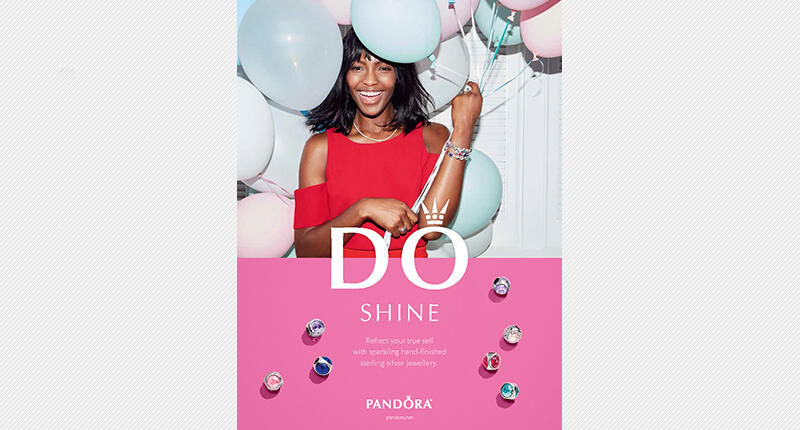
Copenhagen, Denmark--Pandora saw its U.S. sales decline for the second quarter in a row due to what it described as a “difficult” retail environment, particularly in the country’s malls.
The Copenhagen-based bead brand reported Tuesday that revenue in the United States was down 7 percent (10 percent in local currency) year-over-year in the first quarter.
Excluding the effects of the closing of 600 other points of sale (non-concept stores) and a large, one-off shipment to Jared the Galleria of Jewelry in Q1 2016, U.S. sales would have been flat.
The U.S. results were a drag on the performance of the Americas region, which recorded a 5 percent (9 percent in local currency) drop in sales to $247.4 million in the first quarter.
In addition to the slow mall traffic in the U.S., the company--which is focusing its marketing and promotional efforts on earrings, rings and necklaces--said introducing fewer new bracelets and charms for Valentine’s Day impacted sales.
Under its new reporting structure, Pandora no longer breaks out the number of “multi-branded stores”--a group that included the independent jewelers who carry the brand but don’t have shop-in-shops--in each market.
This metric has been a particular point of interest for independents in the U.S., many of whom have been cut out of Pandora’s distribution network in recent years.
Instead, Pandora now gives a count of concept stores in its largest markets and a global tally of what it now classifies under “other points of sale,” which includes multi-branded stores as well as shop-in-shops.
According to the figures released Tuesday, Pandora had 349 concept stores in the U.S. as of the end of the first quarter, compared with 328 a year ago, a 6 percent increase.
Globally, its other points of sale have shrunk by 16 percent in that same time frame, from 7,174 to 5,993.
The company also said it acquired 33 franchise concept stores in Q1, including 18 in the United States. It said revenue in company-owned and -operated concept stores is, on average, nearly 2.5 times higher than the revenue from a comparable concept store owned by a franchisee.
Globally, Pandora saw first quarter sales increase 9 percent (8 percent in local currency) year-over-year to $754 million. Revenue from Pandora-owned retail stores now represents 38 percent of total revenue.
A strong performance in the Asia-Pacific region and strength in ring, earring and necklace sales helped to offset the brand’s





A monthly podcast series for jewelry professionals


From protecting customer data to safeguarding inventory records, it's crucial to learn how to tackle cybersecurity challenges.


Test Podcast With Video. New interview with Ada Lovelace.



Abstract for tests. New Podcast interview with John Lennon, Jimi Hendrix and Jim Morison.

Ahead of the holiday season, Smith delves into the often subconscious reasons people buy luxury products for themselves or their loved ones.

The GMT-Master “Pepsi” belonging to astronaut Edgar Mitchell is a standout in RR Auction’s online “Space Auction,” going on now.

The ads celebrate the mall culture of the ‘80s and ‘90s.

Retail sales associates can access the video series on mobile to refresh their selling skills.

For 25 years, India’s Gem & Jewellery National Relief Foundation has provided aid in the wake of war, natural disasters, and global crises.

The November auction will feature a collection of jewels owned by Ferdinand I, the first king of modern Bulgaria, and his family.

Commercial production has begun underground at the Canadian diamond mine’s A21 pipe.

Deloitte and Adobe Analytics shared their insights on the season, from the retail sales forecast to the role of generative AI.

The Texas-based jeweler collaborated with luxury clothing brand Uncommon Man on men’s bands designed with European influences.

Industry players have found ways to cope with market conditions while working to reshape themselves in the face of emerging realities.

The sales event, in its second year, features a selection of rare diamonds from the miner’s Argyle and Diavik diamond mines.

A portion of the proceeds from the “Always Dream” collection will go to Yamaguchi's foundation, supporting early childhood literacy.





This site uses cookies to give you the best online experience. By continuing to use & browse this site, we assume you agree to our Privacy Policy