



PodcastsJan 12, 2026
The latest poscasttest





test


When faced with increasing competition from other retailers, expanding the product mix to include estate pieces can help set a jeweler apart. But how does a traditional jeweler do that? Two experts explain.

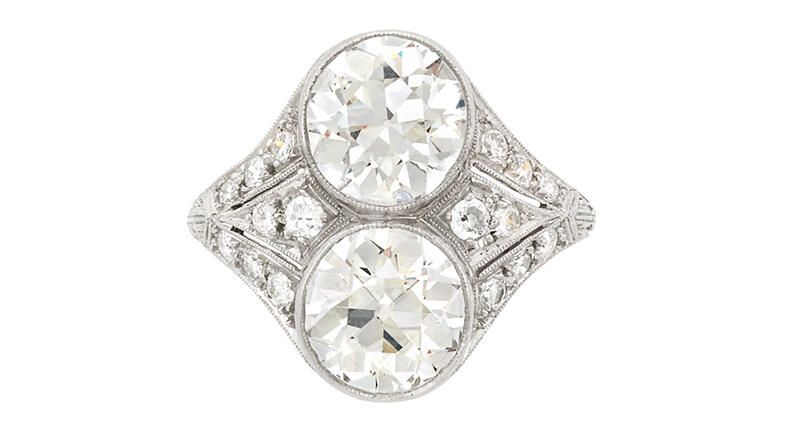
New York--When faced with increasing competition from other retailers, expanding the product mix to include estate pieces can help set a jeweler apart. But that’s not as simple as it might sound for traditional jewelry stores.
At a panel at the JA New York Spring show on Monday, Jim Rosenheim of Tiny Jewel Box and Susan Abeles of Bonhams U.S. addressed the challenges of estate jewelry and how retailers can prepare their staff to sell it. The EAB Project’s Elizabeth Anne Bonanno moderated the discussion.
Rosenheim said that “vintage is a complicated kind of business,” adding that it can be a very strong draw for people who are looking to create a unique look and also gives stores margin.
Yet one of the big challenges in the marketplace currently is the fact that there’s so much that looks estate on the market that actually isn’t, including forgeries or misrepresentation.
“Find the right sellers, people whom you can trust. Make sure you have everything in writing,” he said.
One important distinction Rosenheim made is the difference in vocabulary when it comes to signed jewelry. Pieces should read, for example, “By Tiffany” if it’s a real piece but there are instances when verbiage such as “Signed Tiffany” is used.
Abeles reiterated these thoughts, noting that there are “innumerable simulated vintage pieces out there, so it’s a guessing game.”
For this reason, asking all the important questions about a piece before buying is of utmost importance--provenance, how the piece came about, how the dealer/company came into possession of the piece and anything else pertinent to its history.
Retailers also need to have an idea of what type of estate jewelry they want to deal in, what they’ll sell and how they will do that. So education, too, is necessary, Abeles said.
This means not only reading all about the time periods and history behind the periods and eras that the store wants to deal in but also being involved with what’s going on in the trade, attending shows and seminars, and following relevant conversations and sources on social media.
When it comes down to it, retailers should trust their instincts about a piece and pay attention to signs that it might not be authentic.
Abeles also said that a good way that store owners can help both clients and salespeople in the process is by creating “tear sheets” for





A monthly podcast series for jewelry professionals


From protecting customer data to safeguarding inventory records, it's crucial to learn how to tackle cybersecurity challenges.


Test Podcast With Video. New interview with Ada Lovelace.



Abstract for tests. New Podcast interview with John Lennon, Jimi Hendrix and Jim Morison.

Ahead of the holiday season, Smith delves into the often subconscious reasons people buy luxury products for themselves or their loved ones.

The GMT-Master “Pepsi” belonging to astronaut Edgar Mitchell is a standout in RR Auction’s online “Space Auction,” going on now.

The ads celebrate the mall culture of the ‘80s and ‘90s.

Retail sales associates can access the video series on mobile to refresh their selling skills.

For 25 years, India’s Gem & Jewellery National Relief Foundation has provided aid in the wake of war, natural disasters, and global crises.

The November auction will feature a collection of jewels owned by Ferdinand I, the first king of modern Bulgaria, and his family.

Commercial production has begun underground at the Canadian diamond mine’s A21 pipe.

Deloitte and Adobe Analytics shared their insights on the season, from the retail sales forecast to the role of generative AI.

The Texas-based jeweler collaborated with luxury clothing brand Uncommon Man on men’s bands designed with European influences.

Industry players have found ways to cope with market conditions while working to reshape themselves in the face of emerging realities.

The sales event, in its second year, features a selection of rare diamonds from the miner’s Argyle and Diavik diamond mines.

A portion of the proceeds from the “Always Dream” collection will go to Yamaguchi's foundation, supporting early childhood literacy.





This site uses cookies to give you the best online experience. By continuing to use & browse this site, we assume you agree to our Privacy Policy