



PodcastsJan 12, 2026
The latest poscasttest





test


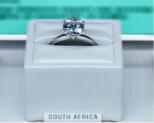
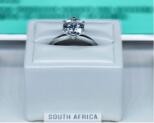
Due to a last-minute scheduling conflict, I was only able to sit in on two full sessions at last week's diamond conference, put together by New York-based Initiatives in Art and Culture. But it was worth it. The sessions were...

Due to a last-minute scheduling conflict, I was only able to sit in on two full sessions at last week's diamond conference, put together by New York-based Initiatives in Art and Culture.
But it was worth it.
The sessions were interesting and were a nice departure from the countless sessions on sales, inventory and social networking I've attended in the past, where I tend to hear the same things over and over again.
Both of the sessions, coincidentally, included extensive discussion on the Hope Diamond. Here are a few gems (ha, ha) I gleaned from Friday:





A monthly podcast series for jewelry professionals


From protecting customer data to safeguarding inventory records, it's crucial to learn how to tackle cybersecurity challenges.


Test Podcast With Video. New interview with Ada Lovelace.



Abstract for tests. New Podcast interview with John Lennon, Jimi Hendrix and Jim Morison.

Ahead of the holiday season, Smith delves into the often subconscious reasons people buy luxury products for themselves or their loved ones.

The GMT-Master “Pepsi” belonging to astronaut Edgar Mitchell is a standout in RR Auction’s online “Space Auction,” going on now.

The ads celebrate the mall culture of the ‘80s and ‘90s.

Retail sales associates can access the video series on mobile to refresh their selling skills.

For 25 years, India’s Gem & Jewellery National Relief Foundation has provided aid in the wake of war, natural disasters, and global crises.

The November auction will feature a collection of jewels owned by Ferdinand I, the first king of modern Bulgaria, and his family.

Commercial production has begun underground at the Canadian diamond mine’s A21 pipe.

Deloitte and Adobe Analytics shared their insights on the season, from the retail sales forecast to the role of generative AI.

The Texas-based jeweler collaborated with luxury clothing brand Uncommon Man on men’s bands designed with European influences.

Industry players have found ways to cope with market conditions while working to reshape themselves in the face of emerging realities.

The sales event, in its second year, features a selection of rare diamonds from the miner’s Argyle and Diavik diamond mines.

A portion of the proceeds from the “Always Dream” collection will go to Yamaguchi's foundation, supporting early childhood literacy.





This site uses cookies to give you the best online experience. By continuing to use & browse this site, we assume you agree to our Privacy Policy