









IndependentsMay 02, 2022
From Conclave: 5 Retail Trends to WatchIndependentsMay 05, 2022
5 Things to Know About Selling Jewelry to the LGBTQ+ Community
Color Source Gems’ Jeremy Chalchinsky covered authentic advertising, anti-discrimination policies, and more during an AGS Conclave session.


Jeremy Chalchinsky, vice president of sales at Color Source Gems, led a presentation and discussion on selling jewelry to the LGBTQ+ Community at American Gem Society Conclave, which took place last week in Oklahoma City.
Oklahoma City—On the last day of AGS Conclave, in the last time slot, attendees filed into a final education session, this time to learn more about selling jewelry to the LGBTQ+ community.
Jeremy Chalchinsky, vice president of sales at Color Source Gems, was at the helm, PowerPoint clicker in hand as his mother and coworker, Rachel, observed from a few rows back.
He clicked to the first slide, starting his presentation with an unexpected opening line.
“I’m not gay,” said Chalchinksy, swiftly ushering out the elephant in the room.
So, what was he doing up at the podium?
“For a long time, I have heard people say that it’s up to the allies to stand up and say something. I decided to finally be that person within our industry,” he said in a statement to National Jeweler.
While he had reservations about being the right person for the topic, and concerns about potential backlash, he took inspiration from a framed quote in his office: “Feel the fear and do it anyway.”
The industry has begun having the uncomfortable but necessary conversations about race, but the diversity discussions have rarely included the LGBTQ+ community, he said.
“So many of my peers and friends are members of the LGBTQ community. They have lives, they love, and they buy jewelry. They’re also members within our industry community. We all deserve to feel safe and represented.”
“I was grateful to AGS for giving me the opportunity and for being so inclusive and open to diversity,” Chalchinsky concluded.
Here are five key takeaways from his presentation.
Know your customer.
Chalchinsky started his presentation with the basics, going over each letter in the LGBTQ+ with a brief explanation.
He delved into hot topics and issues specific to each community, like the difference between bisexual and pansexual and what it means to be genderqueer or genderfluid.
He took special care to explain what it means to be trans, noting that this group faces the most discrimination.
While jewelers, and people at large, should take the time to educate themselves on each community, Chalchinsky made it clear that these questions should not be posed to the customer.
It is never appropriate, for example, to ask a customer if they’ve undergone surgery or hormone therapy, or to comment on whether or not they “pass” as a man or a woman.
A retailer wouldn’t ask a non-trans customer about their genitals, he noted, so the same rule applies here.
As for knowing which pronouns to use, there’s no clear answer, but the most important part is to show that you are trying to be inclusive, he said.
When in doubt, use “they” or the person’s name.
If a mistake is made, apologize and be mindful of how to address this customer going forward.
Related stories will be right here …
Jeremy Chalchinsky, vice president of sales at Color Source Gems, was at the helm, PowerPoint clicker in hand as his mother and coworker, Rachel, observed from a few rows back.
He clicked to the first slide, starting his presentation with an unexpected opening line.
“I’m not gay,” said Chalchinksy, swiftly ushering out the elephant in the room.
So, what was he doing up at the podium?
“For a long time, I have heard people say that it’s up to the allies to stand up and say something. I decided to finally be that person within our industry,” he said in a statement to National Jeweler.
While he had reservations about being the right person for the topic, and concerns about potential backlash, he took inspiration from a framed quote in his office: “Feel the fear and do it anyway.”
The industry has begun having the uncomfortable but necessary conversations about race, but the diversity discussions have rarely included the LGBTQ+ community, he said.
“So many of my peers and friends are members of the LGBTQ community. They have lives, they love, and they buy jewelry. They’re also members within our industry community. We all deserve to feel safe and represented.”
“I was grateful to AGS for giving me the opportunity and for being so inclusive and open to diversity,” Chalchinsky concluded.
Here are five key takeaways from his presentation.
Know your customer.
Chalchinsky started his presentation with the basics, going over each letter in the LGBTQ+ with a brief explanation.
He delved into hot topics and issues specific to each community, like the difference between bisexual and pansexual and what it means to be genderqueer or genderfluid.
He took special care to explain what it means to be trans, noting that this group faces the most discrimination.
While jewelers, and people at large, should take the time to educate themselves on each community, Chalchinsky made it clear that these questions should not be posed to the customer.
It is never appropriate, for example, to ask a customer if they’ve undergone surgery or hormone therapy, or to comment on whether or not they “pass” as a man or a woman.
A retailer wouldn’t ask a non-trans customer about their genitals, he noted, so the same rule applies here.
As for knowing which pronouns to use, there’s no clear answer, but the most important part is to show that you are trying to be inclusive, he said.
When in doubt, use “they” or the person’s name.
If a mistake is made, apologize and be mindful of how to address this customer going forward.
The LGBTQ+ community has a lot of spending power.
Chalchinsky pulled out some interesting statistics to accompany his presentation.
A 2021 U.S. Census Bureau survey gathered info on the sexual orientation of adults aged 18 and over.
More than 3 percent of respondents identified as gay or lesbian, 4 percent as bisexual, 2 percent as “something else” and 2 percent responded, “I don’t know.”
That’s about 11 percent of the U.S. population a jeweler could miss out on by not welcoming members of the LGBTQ+ community.
A Gallup poll from February 2022 found that about 21 percent of Gen Z adults, those born between 1997 and 2003, identify as LGBT.
“That is nearly double the proportion of millennials who do so, while the gap widens even further when compared with older generations,” Gallup noted.
Chalchinsky cited a Nielsen study that found LGBTQ+ consumers make about 10 percent more trips to the store per year than their non-LGBTQ+ counterparts and spend about 7 percent more during those trips.
Though they may spend more, they don’t necessarily earn more, he said, due to discrimination in housing, the workforce, healthcare, and other areas.
He noted, however, that many LGBTQ+ couples have no children or fewer children than their non- LGBTQ+ counterparts, which means that, though they might earn less, they have more discretionary income.

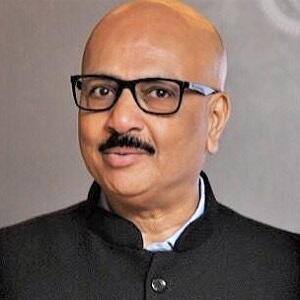
Jeremy Chalchinsky is the vice president of sales at Color Source Gems.
Set anti-discrimination policies in the workplace.
Retailers should have anti-discrimination policies in place that extend to all types of discrimination and protect both customers and employees.
A supportive and professional environment is important for all employees, said Chalchinsky.
Just because an employee hasn’t publicly identified themselves as LGBTQ+ doesn’t mean that they aren’t in need of protection against discrimination, he added.
It’s also crucial that everyone is on board.
Because many independent jewelry stores are still family-owned operations, Chalchinsky gave the example of a strong-willed aunt with even stronger opinions who has worked behind the counter for decades.
There should be no passes given to employees who are discriminating or making other employees uncomfortable, regardless of how difficult the conversation may be.
A negative interaction with an LGBTQ+ customer, particularly one caught on camera, could cost a jeweler its reputation. And remember, basically everyone has a camera now, said Chalchinsky.
Reach out to the LGBTQ+ community.
As with any customer demographic, jewelers should meet LGBTQ+ customers where they are.
Consider partnering with a local business that caters to the LGBTQ+ community, or sponsoring a drag night at a local bar, Chalchinsky said.
During the Q&A portion of the session, an attendee lamented that her store wanted to welcome LGBTQ+ customers, but she was wary of alienating the bread-and-butter customers in her conservative area by showing outward displays of support, like a Pride flag.
For business owners, it may be easier said than done not to take their money when bills and employees need to be paid.
Chalchinsky noted that many trendsetters on social media, whether on Instagram, TikTok, or another platform, are members of the LGBTQ+ community. One of his suggestions was to partner with these influencers, who will reach the intended audience and avoid the “conservative” consumers.
Hanging a rainbow flag is an outward display of welcoming, but a sticker in the window from the Human Rights Campaign can also convey support but in a more subtle way, an attendee suggested.
Stay away from “rainbow capitalism.”
On the topic of advertising, Chalchinsky introduced the term “rainbow capitalism” to the audience. It’s a term that describes the commercialization of the LGBTQ+ movement, particularly Pride Month.
Every June, retailers large and small roll out the rainbow merchandise, slapping the Pride flag on as many items as possible.
By July, the outpouring of “love” for the community dries up, while the flow of donations to anti-LGBTQ+ politicians continues.
Consumers can smell pandering a mile away, Chalchinsky said. Authenticity and consistency is key to advertising to this community.
Make a concerted effort to include LGBTQ+ consumers in advertising year-round and don’t rely on old stereotypes.
Some customers may want rainbow jewelry, he said, but LGBTQ+ customers enjoy all kinds of jewelry, just like everyone else.
He added that consulting people within the community about an ad campaign can be the difference between a rousing success and an embarrassing flop.
Editors' Picks
Sponsored by


More on Independents



The Latest




Weekly QuizOct 03, 2024
This Week’s QuizTest your jewelry news knowledge by answering these questions.

PodcastsJan 12, 2026
Introducing My Next Question, the PodcastA monthly podcast series for jewelry professionals


Brought to you by
Navigating Cybersecurity: Essential Guidance for JewelersFrom protecting customer data to safeguarding inventory records, it's crucial to learn how to tackle cybersecurity challenges.




PodcastsNov 27, 2025
Test Podcast With VideoTest Podcast With Video. New interview with Ada Lovelace.



PodcastsNov 25, 2025
Test New Podcast PostAbstract for tests. New Podcast interview with John Lennon, Jimi Hendrix and Jim Morison.

ColumnistsOct 09, 2024
Peter Smith: 7 Things to Know When Selling LuxuryAhead of the holiday season, Smith delves into the often subconscious reasons people buy luxury products for themselves or their loved ones.


AuctionsOct 09, 2024
Rolex Worn on Apollo 14 Mission Up for SaleThe GMT-Master “Pepsi” belonging to astronaut Edgar Mitchell is a standout in RR Auction’s online “Space Auction,” going on now.


MajorsOct 09, 2024
New Simon Campaign Invites Gen Z to ‘Meet Me At The Mall’The ads celebrate the mall culture of the ‘80s and ‘90s.

MajorsOct 09, 2024
PGI Launches New Virtual Sales TrainingRetail sales associates can access the video series on mobile to refresh their selling skills.


Policies & IssuesOct 09, 2024
GJNRF: Reaching Out, Rebuilding Futures For 25 years, India’s Gem & Jewellery National Relief Foundation has provided aid in the wake of war, natural disasters, and global crises.


AuctionsOct 08, 2024
Sotheby’s Selling Jewelry That Belonged to a Bulgarian TsarThe November auction will feature a collection of jewels owned by Ferdinand I, the first king of modern Bulgaria, and his family.

SourcingOct 08, 2024
Rio Tinto Begins New Phase of Production That Will Extend Diavik’s LifeCommercial production has begun underground at the Canadian diamond mine’s A21 pipe.


SurveysOct 08, 2024
What to Know About Online Shopping This Holiday SeasonDeloitte and Adobe Analytics shared their insights on the season, from the retail sales forecast to the role of generative AI.

CollectionsOct 08, 2024
Sylvie Adds New Men’s BandsThe Texas-based jeweler collaborated with luxury clothing brand Uncommon Man on men’s bands designed with European influences.

SourcingOct 08, 2024
Is Current Diamond Industry Turbulence Shaping a ‘New Normal’? Industry players have found ways to cope with market conditions while working to reshape themselves in the face of emerging realities.

SourcingOct 07, 2024
Rio Tinto to Offer 76 Diamonds in 2024 Beyond Rare Tender The sales event, in its second year, features a selection of rare diamonds from the miner’s Argyle and Diavik diamond mines.

CollectionsOct 07, 2024
Olympian Kristi Yamaguchi Partners With Heller Jewelers on New CollectionA portion of the proceeds from the “Always Dream” collection will go to Yamaguchi's foundation, supporting early childhood literacy.