


PodcastsJan 12, 2026
The latest poscasttest





test


The pair stepped into the spotlight during the recent JCK Tucson show, sharing many pieces of advice for designers on building their business.

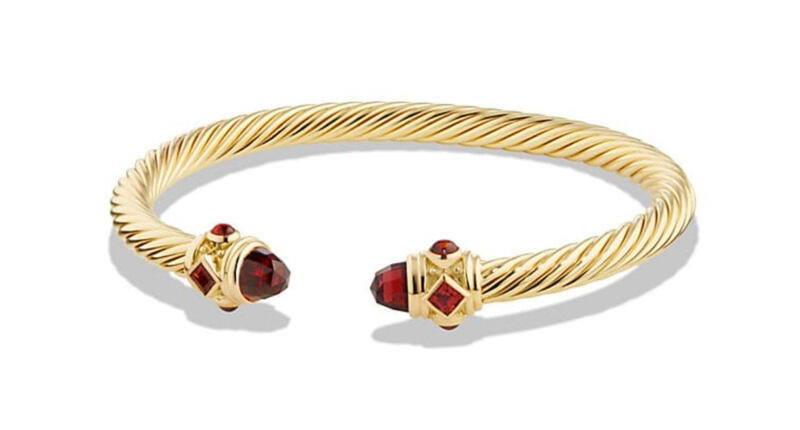
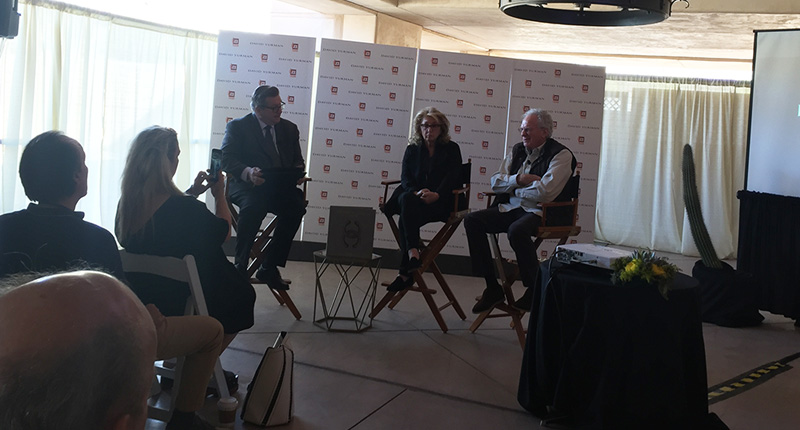
Tucson, Ariz.--David and Sybil Yurman of the eponymous brand known for its cable motif stepped into a seldom seen spotlight on Thursday.
On a shady oversized patio at the JW Marriott Starr Pass Resort & Spa in Tucson, Arizona, home of the JCK Tucson show, the pair had a packed house of invitation-only guests eager to hear the legends talk about the evolution of the brand and staying timely in the current retail landscape.
The pair met more than 50 years ago as emerging artists. David, a one-time sculptor, was creating pieces for Sybil when she made a request: a piece of jewelry.
“I told David, ‘The sculptures are beautiful, but I’d like to be able to wear one,’” Sybil recalled.
So he did, and people noticed.
In a gallery on Madison Avenue, a shop owner inquired about purchasing Sybil’s gift from David—a necklace with human figures that culminated in a clasp of interlocking hands. David balked at the idea of selling it, but with some persuasion from Sybil, agreed to part with it.
Within 20 minutes, the pair received another call from the owner with her own request—for him to make more, and quickly. They had already sold four.
At once, the couple understood margins, knowing they needed to increase them. “If you sell too many too fast then your margin is too low,” David said.
So with that emerging business savvy and a $500 loan—“for which our parents had to co-sign,” Sybil added—from the Hebrew Free Loan Society, their business was born.
“We didn’t set out to create a business. We just wanted to make things,” she explained.
“If we could do it with $500, you can do it, too,” David said.
Here are a few of the pair’s professional takeaways from the session to help designers carve out a rich career for themselves.
On Name Recognition in Stores in the Early Years
“When we started, everyone was buying jewelry from another country, but our hook was American-made,” David said. “Customers were getting tired of seeing the same thing over and over again, so they embraced the point of view of the craft movement. It was a fight to have a jeweler use your name in a showcase, though. I would say, ‘I made this, so it’s a lie for you to say you did.’ At that time, jewelers didn’t want the customers to know that they could buy from anyone else.”
On the




A monthly podcast series for jewelry professionals


From protecting customer data to safeguarding inventory records, it's crucial to learn how to tackle cybersecurity challenges.


Test Podcast With Video. New interview with Ada Lovelace.



Abstract for tests. New Podcast interview with John Lennon, Jimi Hendrix and Jim Morison.

Ahead of the holiday season, Smith delves into the often subconscious reasons people buy luxury products for themselves or their loved ones.

The GMT-Master “Pepsi” belonging to astronaut Edgar Mitchell is a standout in RR Auction’s online “Space Auction,” going on now.

The ads celebrate the mall culture of the ‘80s and ‘90s.

Retail sales associates can access the video series on mobile to refresh their selling skills.

For 25 years, India’s Gem & Jewellery National Relief Foundation has provided aid in the wake of war, natural disasters, and global crises.

The November auction will feature a collection of jewels owned by Ferdinand I, the first king of modern Bulgaria, and his family.

Commercial production has begun underground at the Canadian diamond mine’s A21 pipe.

Deloitte and Adobe Analytics shared their insights on the season, from the retail sales forecast to the role of generative AI.

The Texas-based jeweler collaborated with luxury clothing brand Uncommon Man on men’s bands designed with European influences.

Industry players have found ways to cope with market conditions while working to reshape themselves in the face of emerging realities.

The sales event, in its second year, features a selection of rare diamonds from the miner’s Argyle and Diavik diamond mines.

A portion of the proceeds from the “Always Dream” collection will go to Yamaguchi's foundation, supporting early childhood literacy.





This site uses cookies to give you the best online experience. By continuing to use & browse this site, we assume you agree to our Privacy Policy