


PodcastsJan 12, 2026
The latest poscasttest





test


Peter Smith recently went on a trip with his 16-year-old son. Here’s what it taught him about how young people shop.

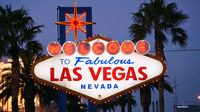
I took one of my sons to Las Vegas for a few days in July. Why, you might ask, would anyone take a 16-year-old boy to Vegas at all, especially at a time of year when the weather averages about 114 degrees a day?
So off we went; Killian, excited about seeing Vegas for the first time--unless, that is, you count the movie “The Hangover”--and me, wondering what I was thinking going back to Vegas just one month after JCK.
We went to see a different show each night, including the highly recommended, and free, lighting and sound demonstration at the LOVE Theatre at The Mirage.
We took the tour of the Zappos headquarters and visited the site of the World Famous Gold & Silver Pawn Shop from the TV show “Pawn Stars.” All of this, while marveling at what it’s like to experience 114 degree temperatures.
We also ate at restaurants my son had never previously experienced (he loved Giordano’s deep-dish pizza!) and, of course, we shopped. We went to Caesars and the Venetian shops, Fashion Show Mall and the outlet stores. And, as we did so, I couldn’t help but conduct my own informal observation about the shopping habits and likes/dislikes of a 16-year-old boy.
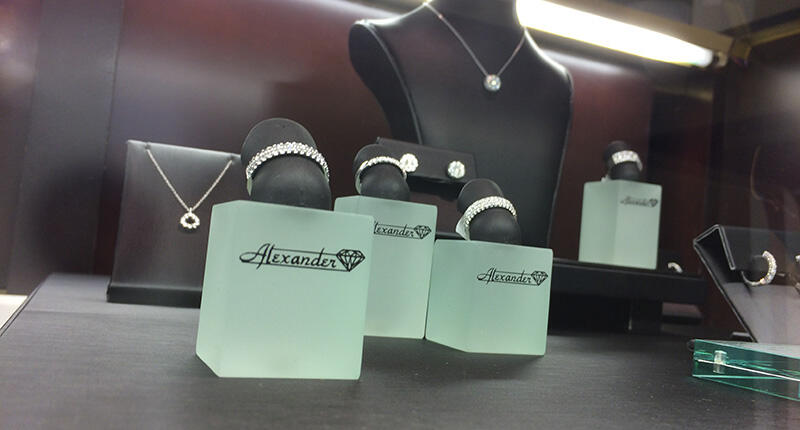
“Removing SKUs and creating negative space will result in a more compelling and interesting visual, and make it much easier for your customers to engage.”In watching Killian, one of my own instincts about how younger people shop was borne out completely. I noticed, time and again, that he was much more interested in stores where less was more. Whether it was shoes, clothes or even the couple of jewelry stores we visited, he seemed much more likely to take a few moments to look at products when they were displayed with some “breathing room” rather than cases, racks and shelves stacked with stuff.




A monthly podcast series for jewelry professionals


From protecting customer data to safeguarding inventory records, it's crucial to learn how to tackle cybersecurity challenges.


Test Podcast With Video. New interview with Ada Lovelace.



Abstract for tests. New Podcast interview with John Lennon, Jimi Hendrix and Jim Morison.

Ahead of the holiday season, Smith delves into the often subconscious reasons people buy luxury products for themselves or their loved ones.

The GMT-Master “Pepsi” belonging to astronaut Edgar Mitchell is a standout in RR Auction’s online “Space Auction,” going on now.

The ads celebrate the mall culture of the ‘80s and ‘90s.

Retail sales associates can access the video series on mobile to refresh their selling skills.

For 25 years, India’s Gem & Jewellery National Relief Foundation has provided aid in the wake of war, natural disasters, and global crises.

The November auction will feature a collection of jewels owned by Ferdinand I, the first king of modern Bulgaria, and his family.

Commercial production has begun underground at the Canadian diamond mine’s A21 pipe.

Deloitte and Adobe Analytics shared their insights on the season, from the retail sales forecast to the role of generative AI.

The Texas-based jeweler collaborated with luxury clothing brand Uncommon Man on men’s bands designed with European influences.

Industry players have found ways to cope with market conditions while working to reshape themselves in the face of emerging realities.

The sales event, in its second year, features a selection of rare diamonds from the miner’s Argyle and Diavik diamond mines.

A portion of the proceeds from the “Always Dream” collection will go to Yamaguchi's foundation, supporting early childhood literacy.





This site uses cookies to give you the best online experience. By continuing to use & browse this site, we assume you agree to our Privacy Policy