test
E-Commerce Site Memo Lets Consumers Try Before They Buy
Memo is bridging the gap between online and brick-and-mortar shopping through an innovative retail model.

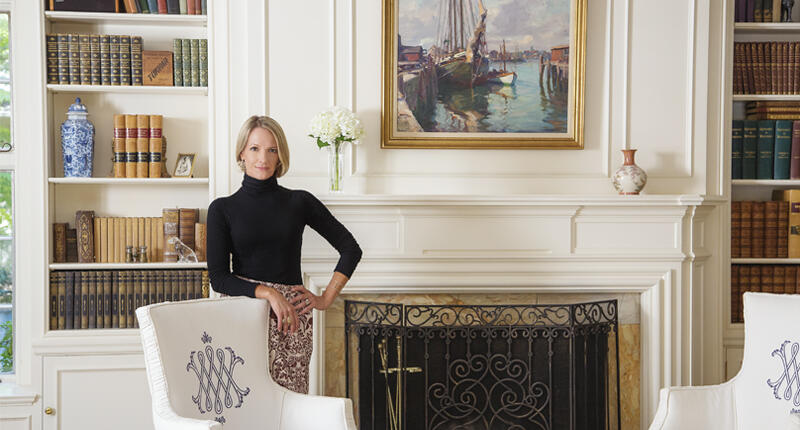
Rochester, N.Y.--Debra LaBudde has decades of experience advising companies on new and unexploited markets. So when she founded her own company last year, she focused on what she contends is just such an opportunity: fine jewelry.
“I think there’s kind of an untapped market, believe it or not, for fine jewelry,” LaBudde explained. “(I saw) an interesting opportunity in the marketplace that, in my mind, hasn’t been well served, and that ultimately could create a larger market.”
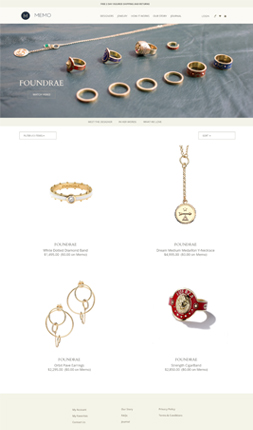
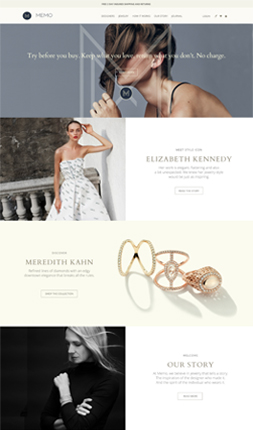
Memo is LaBudde’s answer to what she feels is missing in single-channel retail models—the tactile, personal access to jewelry that is found in a brick-and-mortar experience, coupled with the convenience and accessibility of online shopping.
Memo’s “complimentary home try-on” period bridges this gap.
When clients order a piece on ExperienceMemo.com, they receive it via free two-day shipping and have three days to try it on and consider the item before being charged. If dissatisfied, they can return it within that timeframe with the free return shipping Memo provides.
All of Memo’s inventory is kept in stock and, in case of returns, Memo reabsorbs that product.
“It’s interesting what happens in the home (when you try the jewelry on) because I’ve gone through the experience independently and it’s pretty special,” said LaBudde. “Obviously, we have security in place, but there’s a fair amount of trust that goes into it too and the kind of reciprocal respect that we get with clients is pretty amazing.”
To insure themselves against theft, Memo collects credit card information prior to shipping the jewelry to consumers--just as in a traditional online purchase--to be charged when the three-day try-on period is over. They also place a hold on the card prior to sending product to verify against fraudulent credit card orders.
LaBudde is aiming to give the Memo e-commerce experience the same personal and connective quality that one might find shopping in a well-curated, independent boutique.
In addition to the at-home try on period, LeBudde is achieving this through site content. Customers can learn about the designers whom Memo stocks through artfully produced video interviews on the site (five of the 12 designers are currently featured), as well as detailed descriptions of particular products in the words of their creators.
“Our platform is so rich from a visual standpoint,” LaBudde said. “I think we can tell the story of collections and designers in a strong way.”
“When I was traveling less, I was still trying to find new pieces and new designers but I found it was difficult to have that same intimate experience online,” said the Rochester, New York-based businesswoman.
Making that high-touch experience accessible regardless of location was LaBudde’s initial inspiration for Memo.
Each aspect of Memo’s non-traditional retail process is the result of months of consumer research, identifying what consumers liked and disliked about both online and brick-and-mortar shopping.
LaBudde found that like herself, shoppers enjoyed the accessibility of online shopping but found the experience lacking certain elements of the store purchase they enjoyed.
“We’re in a world today where people are used to the internet and the convenience that that provides,” LaBudde explained, “but with convenience you sometimes give up other aspects--the relationship that is formed if you meet a designer directly. This is our solution for tying that together.”
She continued: “When we created Memo we took a fair amount of time to not try to force a model or technology on the (jewelry) industry but to really look at the industry and hear from both clients and designers what was needed.”
So far, LaBudde said that her customers, who are comprised mainly of self-purchasing women, are embracing the Memo experience, and Memo is succeeding in making e-commerce feel human.
This is exemplified by the requests LaBudde has been getting for custom pieces from the designers she stocks, a service she says most of them are happy to provide.
Memo doesn’t disclose its financials, but LaBudde said that while the company is in its infancy, her focus is on building it to its full potential. She’s started hosting pop-up events where clients can meet designers face-to-face and has plans to carry more designers on the site.
“When I talk about growing a market, I truly believe in women buying for themselves and the evolution of designer jewelry and designer names around a product,” said LaBudde. “I think there’s a greater opportunity to reach a new customer that really doesn’t know this world.”
The Latest


A monthly podcast series for jewelry professionals

From protecting customer data to safeguarding inventory records, it's crucial to learn how to tackle cybersecurity challenges.

Test Podcast With Video. New interview with Ada Lovelace.

Abstract for tests. New Podcast interview with John Lennon, Jimi Hendrix and Jim Morison.

Ahead of the holiday season, Smith delves into the often subconscious reasons people buy luxury products for themselves or their loved ones.

The GMT-Master “Pepsi” belonging to astronaut Edgar Mitchell is a standout in RR Auction’s online “Space Auction,” going on now.

The ads celebrate the mall culture of the ‘80s and ‘90s.

Retail sales associates can access the video series on mobile to refresh their selling skills.

For 25 years, India’s Gem & Jewellery National Relief Foundation has provided aid in the wake of war, natural disasters, and global crises.

The November auction will feature a collection of jewels owned by Ferdinand I, the first king of modern Bulgaria, and his family.

Commercial production has begun underground at the Canadian diamond mine’s A21 pipe.

Deloitte and Adobe Analytics shared their insights on the season, from the retail sales forecast to the role of generative AI.

The Texas-based jeweler collaborated with luxury clothing brand Uncommon Man on men’s bands designed with European influences.

Industry players have found ways to cope with market conditions while working to reshape themselves in the face of emerging realities.

The sales event, in its second year, features a selection of rare diamonds from the miner’s Argyle and Diavik diamond mines.

A portion of the proceeds from the “Always Dream” collection will go to Yamaguchi's foundation, supporting early childhood literacy.