test
Middle class problems
Whether it’s coincidence or kismet, as soon as I slated this post for Friday’s newsletter, I began reading stories addressing the issue that’s been on my mind for some time: the shrinking of the middle class.

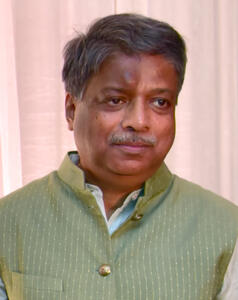
In a speech at a luxury summit in Monaco, Rupert listed the erosion of the middle class, and his belief that it will have negative effects on the sale of luxury goods because those who are wealthy won’t want to flaunt it, as one of the issues that keeps him up at night.
“How is society going to cope with structural unemployment and the envy, hatred and the social warfare?” he said, according to Bloomberg. “We are destroying the middle classes at this stage and it will affect us. It’s unfair.”
The story quoting Rupert came just one day after The Daily Beast published a column stating that the malls that are thriving are those that cater to the wealthiest consumers.
Mr. Rupert, I agree. The decline of the quality of life for members of the middle class concerns me not just because my job is in the fine jewelry industry, but because I am member of the middle class.
I grew up outside of Pittsburgh, in a sea of small run-down mill towns that have been in decline since the 1970s and which society long ago stopped caring about; no hipsters, breweries or shops selling $30 jars of organic mayonnaise there. It’s the just the same buildings that have been decaying since I was a kid in the 1980s.
Still, I was part of the middle class. My father worked a plant owned by Ashland that mixed and packaged oil for Valvoline. Thanks to the fact that that plant was unionized he made, as we say where I grew up, “good money.” But, he always reminded us, we were lucky. Ashland had another packaging plant in Cincinnati that wasn’t unionized, and the men there earned half of what my dad did per hour. My mother was a schoolteacher and, eventually, made “good money” too.
My parents were both able to retire early and today, still have their house in Pennsylvania and a second home in Florida where they escape to for the months of January through May. Good for them. They both deserve it.
Unfortunately, however, I think this type of life is available for fewer and fewer Americans today, and I am not alone.
A story published by USA Today on Tuesday
Among the subjects on my/their mind: rising health care costs, hefty student loans and realization that many of us will live well into our 90s.
These days, concerns among members of the fine jewelry industry include selling to the “super rich,” there not being any generic advertising for jewelry (which is beginning to change) and how to talk to the millennial consumers.
I agree these are all issues, but they don’t tell the whole story.
You can go after the same 1 percent as everyone else, if you want, and you can master the art of social media in an effort to snag every millennial customer out there.
But here’s the bottom line: There’s a lot of people who just don’t have the money to spend on jewelry like they used to have. Many families find that by the time they are finished paying the bills and putting a little bit aside, there’s not much left.
It’s sad but it’s reality.
Another interesting point from Rupert’s speech was his assertion that, “We’re in for a huge change in society.”
That change, in my mind, already has begun. Jewelers need to change with it. This includes being willing to stock lower-priced, and higher-margin, silver and/or fashion lines alongside traditional fine jewelry that’s priced in the thousands.
Sell to the 1 percent in your town, yes, but also have something for the millennial consumer who’s strapped for cash and saddled by college debt, or that consumer in their mid-30s, who is not assured the same bright future as her parents.
The Latest


A monthly podcast series for jewelry professionals

From protecting customer data to safeguarding inventory records, it's crucial to learn how to tackle cybersecurity challenges.

Test Podcast With Video. New interview with Ada Lovelace.

Abstract for tests. New Podcast interview with John Lennon, Jimi Hendrix and Jim Morison.

Ahead of the holiday season, Smith delves into the often subconscious reasons people buy luxury products for themselves or their loved ones.

The GMT-Master “Pepsi” belonging to astronaut Edgar Mitchell is a standout in RR Auction’s online “Space Auction,” going on now.

The ads celebrate the mall culture of the ‘80s and ‘90s.

Retail sales associates can access the video series on mobile to refresh their selling skills.

For 25 years, India’s Gem & Jewellery National Relief Foundation has provided aid in the wake of war, natural disasters, and global crises.

The November auction will feature a collection of jewels owned by Ferdinand I, the first king of modern Bulgaria, and his family.

Commercial production has begun underground at the Canadian diamond mine’s A21 pipe.

Deloitte and Adobe Analytics shared their insights on the season, from the retail sales forecast to the role of generative AI.

The Texas-based jeweler collaborated with luxury clothing brand Uncommon Man on men’s bands designed with European influences.

Industry players have found ways to cope with market conditions while working to reshape themselves in the face of emerging realities.

The sales event, in its second year, features a selection of rare diamonds from the miner’s Argyle and Diavik diamond mines.

A portion of the proceeds from the “Always Dream” collection will go to Yamaguchi's foundation, supporting early childhood literacy.